AI: Shaking Up Creative Culture (Again)
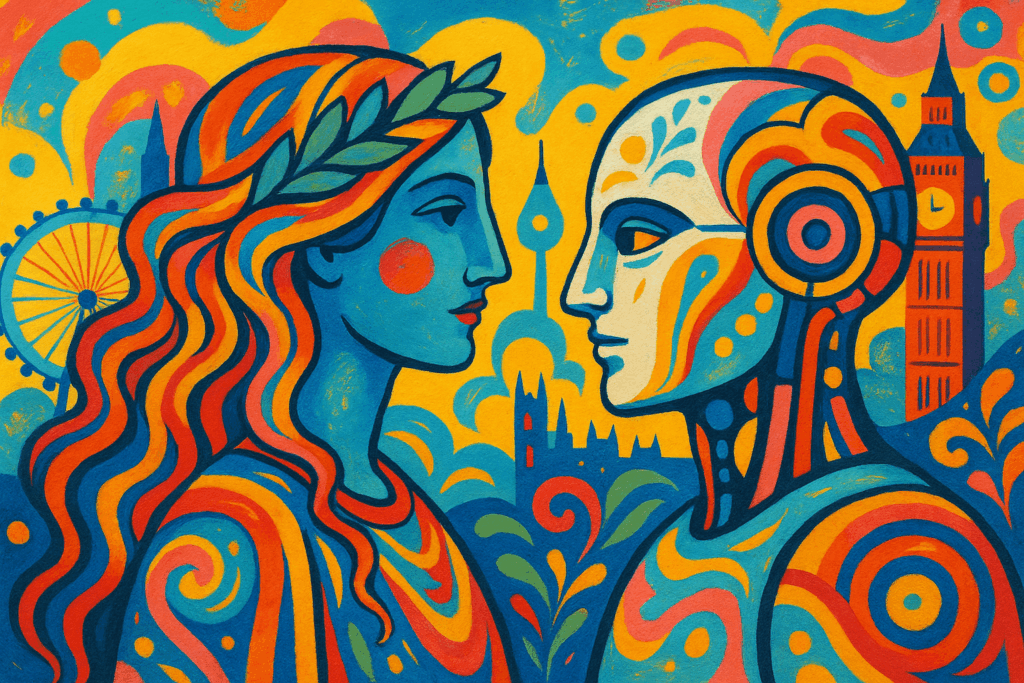
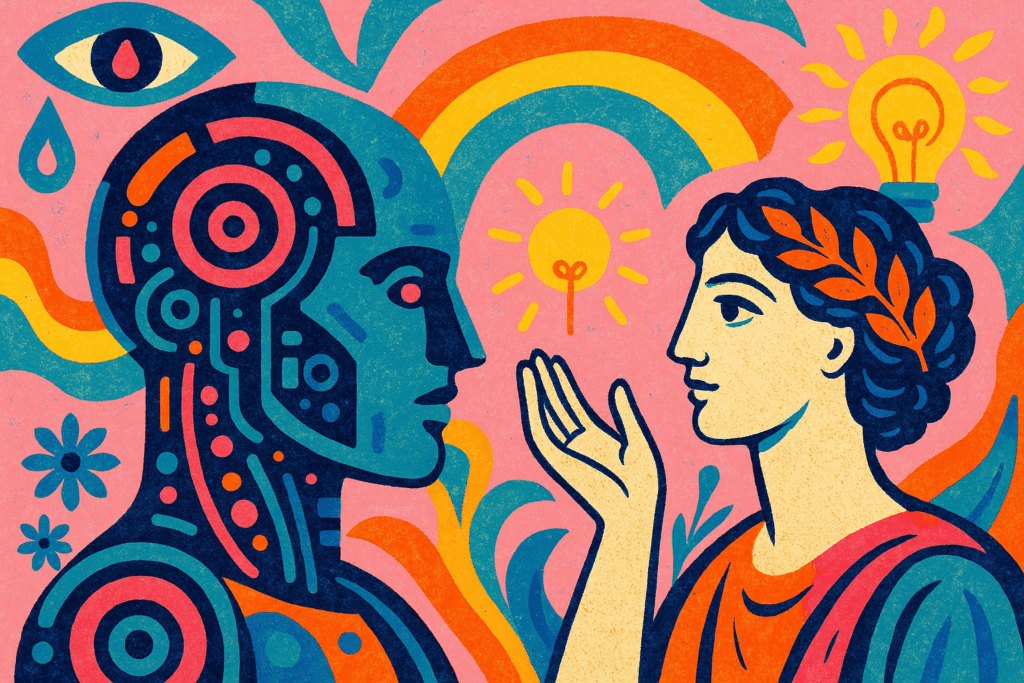
Artificial intelligence stands as the latest technological force reshaping creative culture, much like the advent of Web 2.0 transformed digital interactions two decades ago. AI is altering how artists, marketers, and creators produce and consume content, provoking a cultural shift that reverberates across creative industries worldwide. This new wave is not merely incremental; it represents a profound change in the tools, processes, and cultural norms underpinning artistic expression.
The New Creative Frontier
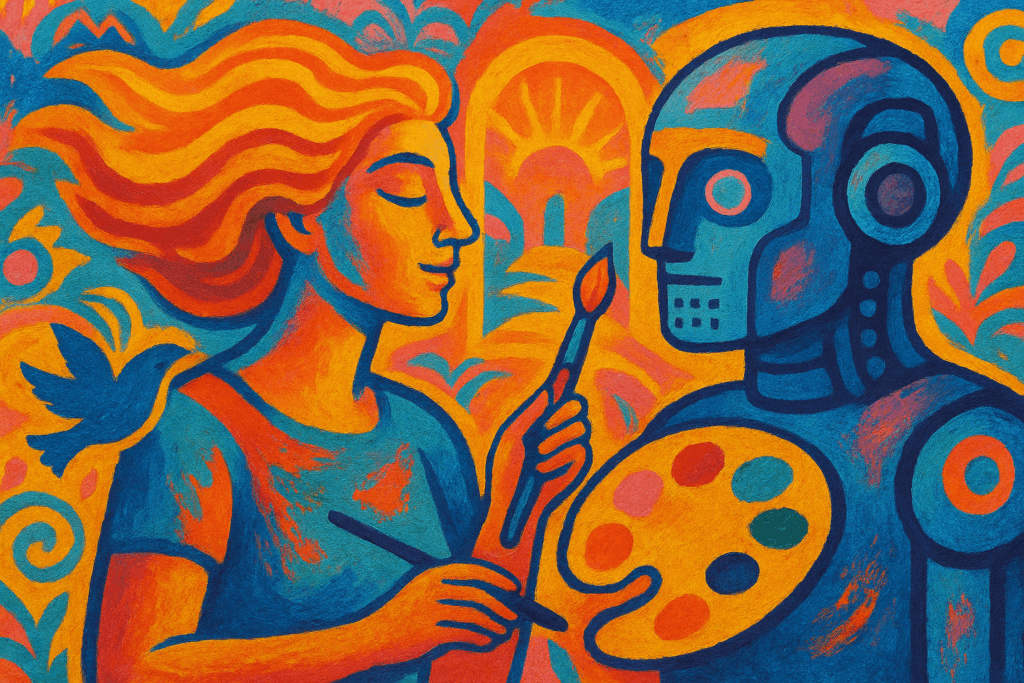
AI-powered tools are breaking down traditional barriers to creativity by offering sophisticated production capabilities once reserved for large studios or well-funded teams. Today, independent creators can craft visually stunning art, music, and immersive experiences using intuitive AI platforms that require minimal resources. Solo artists experiment with virtual production environments that respond dynamically to creative direction, enabling new forms of storytelling and cultural participation. This democratization broadens the spectrum of voices shaping cultural narratives, allowing innovative blends of technology and imagination.
Safeguarding Artists and IP
Alongside opportunity comes significant risk. The rapid proliferation of AI-generated content has escalated concerns about unauthorized use of artists’ likenesses and voice without consent, posing challenges to creative ownership. Deepfakes and synthetic media blur the line between original and fabricated, heightening fears among actors, musicians, and visual artists over identity appropriation and intellectual property theft. These issues call for updated legal frameworks and ethical guidelines to protect creators’ rights in an increasingly automated cultural ecosystem.
What’s Next for Creative AI?
The evolution of AI in creative industries prompts reflection on an uncertain but inevitable future where human ingenuity and machine capabilities coexist. ‘Remixization’—the fusion and reworking of existing cultural artifacts through AI—may redefine originality and authorship. As AI continues to embed itself into creative processes, maintaining a balance between innovation and protection will be essential. This ongoing dialogue shapes how culture adapts to technological change and preserves the valuable contributions of its human creators.