The Spark: How Saturday Night Fever Ignited a Movement
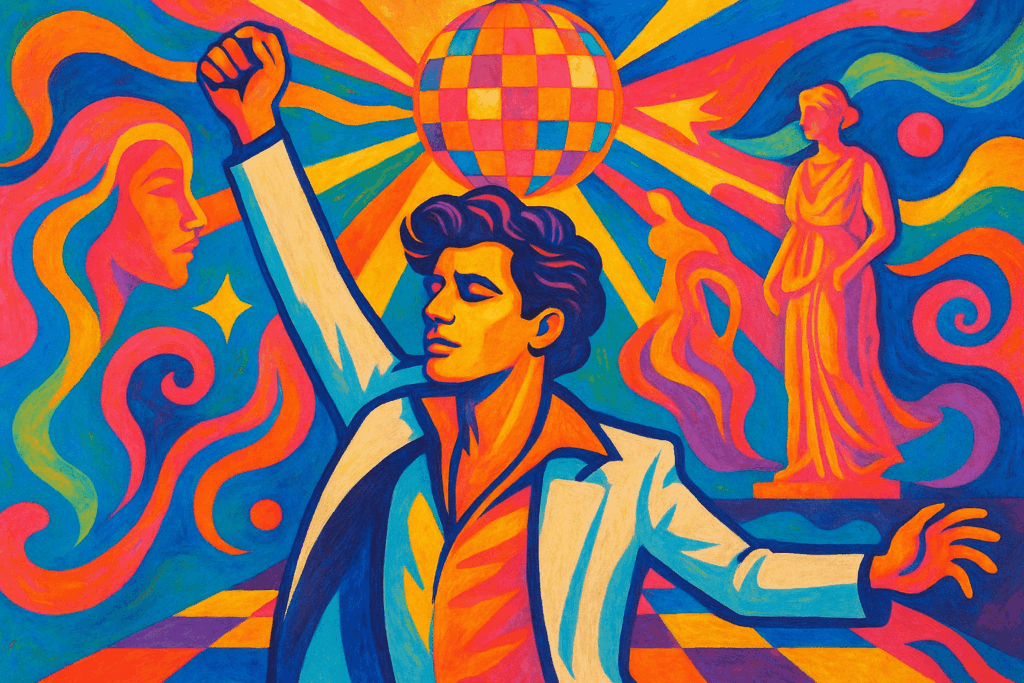
When Saturday Night Fever hit cinemas in 1977, John Travolta’s star turn and the Bee Gees soundtrack made disco feel unavoidable. The film presented nightlife as a site of aspiration for working class youth, packaging a subculture into a widely consumable fantasy. The movie’s visuals and songs gave radio and clubs a common language, turning a regional scene into a global trend almost overnight.
The Rhythm of an Era: Disco’s Cultural Reign
Disco’s signature beat, lush strings, and extended grooves prioritized the dance floor. The Saturday Night Fever soundtrack dominated charts, pushing dance-centric production into mainstream pop. Disco also reshaped fashion: platform shoes, polyester suits, and glittery gowns became shorthand for weekend freedom. Television appearances, nightclubs, and mainstream advertising reinforced the genre’s presence in everyday life.
From Fever to Backlash: Disco’s Dramatic Decline
Rapid commercial saturation eroded disco’s credibility for some music fans. By the late 1970s, resentment built against the perceived corporate takeover and formulaic production. Events like Disco Demolition Night symbolized a backlash that mixed aesthetic rejection with social and cultural tensions. Radio programmers flipped formats, labels shifted priorities, and disco was pushed out of the mainstream almost as fast as it arrived.
Echoes in Today’s Beats: Disco’s Unexpected Legacy
Disco never truly disappeared. Its production techniques, four on the floor rhythm, and emphasis on extended mixes live on in house, nu disco, and EDM. Modern DJs and producers sample disco grooves, use orchestral elements, and structure sets around sustained energy, echoing the old club template. The pattern of rapid rise, backlash, and reinvention seen with disco repeats in later genres, showing how mainstream saturation breeds both rejection and renewal.
Saturday Night Fever offers a compact case study of pop culture cycles: a movement translated by film, amplified by commerce, repudiated in public spectacle, and later reclaimed by new generations of makers and dancers.