The Shifting Canvas: AI’s Presence in the Arts
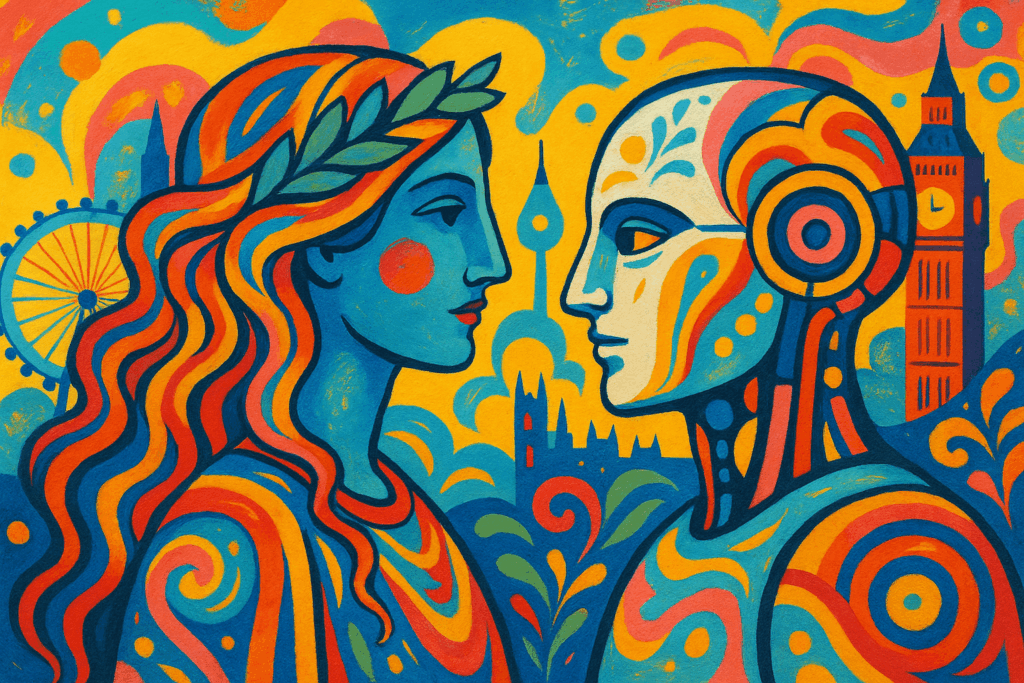
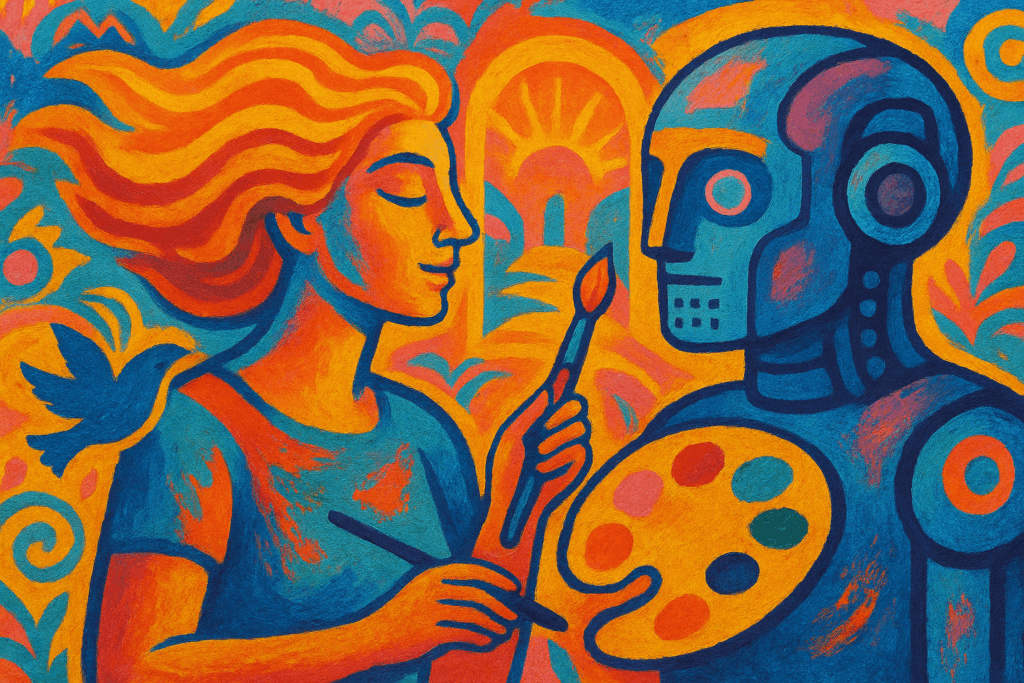
AI has moved from tool to collaborator, provoking a core tension: is machine output a new creative medium or a threat to human craft? For London artists, musicians and filmmakers the question is immediate. On one side AI lowers barriers, offering non‑technical makers access to sound, image and text generation. That promise of wider participation sits alongside the idea of an “artistic Turing test” where work is judged by whether it feels human, not by how it was made.
Creative Clash: Algorithms Meet Artistry
Industry Examples and Debates
Music: Projects like Breaking Rust and discussions at major labels show AI can mimic genre patterns quickly. Creators such as Imogen Heap speak to AI’s potential as a musical partner, while other musicians warn about formulas that strip surprise and emotional risk from composition. Sting has spoken about the value of unpredictable human choices in songwriting.
Visual and Film: The casting of AI likenesses, as in the case of Tilly Norwood, and studios’ exploration of user-generated content models highlight both creative opportunity and legal questions. Filmmakers including Vince Gilligan have voiced skepticism that machine tools can replace a director’s instinct for nuance.
Writing: Novel experiments, including work tied to figures like James Frey, reveal how AI can produce readable prose quickly. Critics worry this spawns generic output that undermines craft and undercuts careers built on long practice.
The spectrum of reaction runs from excitement about new workflows to concern over devaluation of skill. For London professionals this debate is not theoretical. It shapes commissions, festivals and audiences.
Defining Our Creative Future
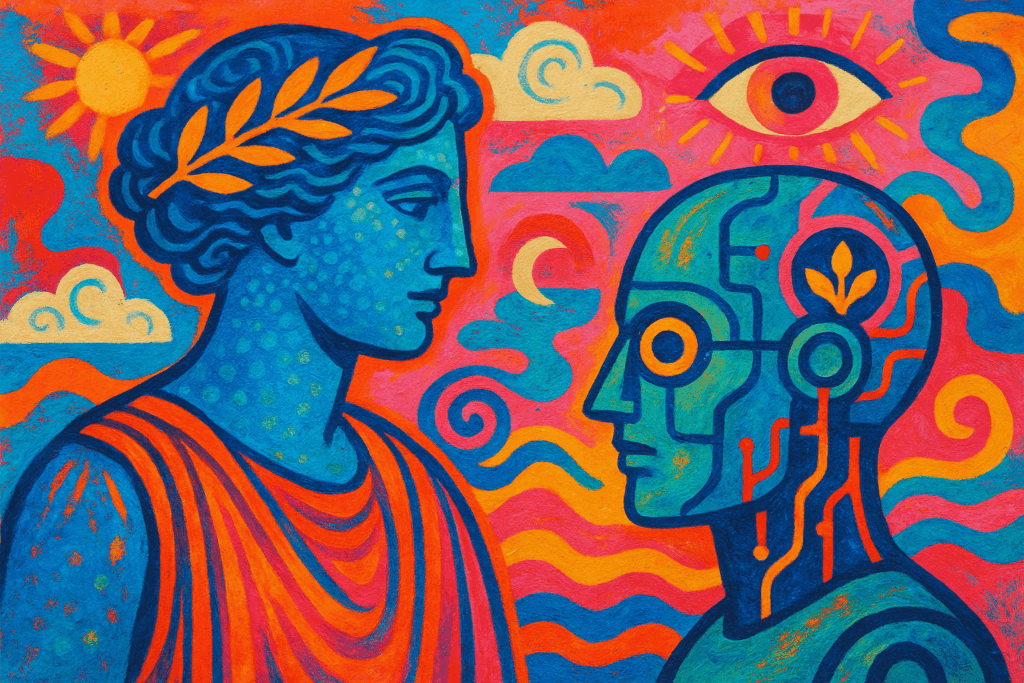
Preserving the human element means emphasising context, intention and curation. Creators can choose where to use AI for iteration or for provocative hybrid work; audiences can choose what they value. Far from ending originality, AI may spark novel forms when paired with distinctive human perspectives. The outcome will depend on policy, industry practice and the choices of London’s creative community. Human agency remains the deciding factor in whether AI widens expression or flattens it.