Ralph Lauren’s Jhumka Controversy: A Cultural Flashpoint
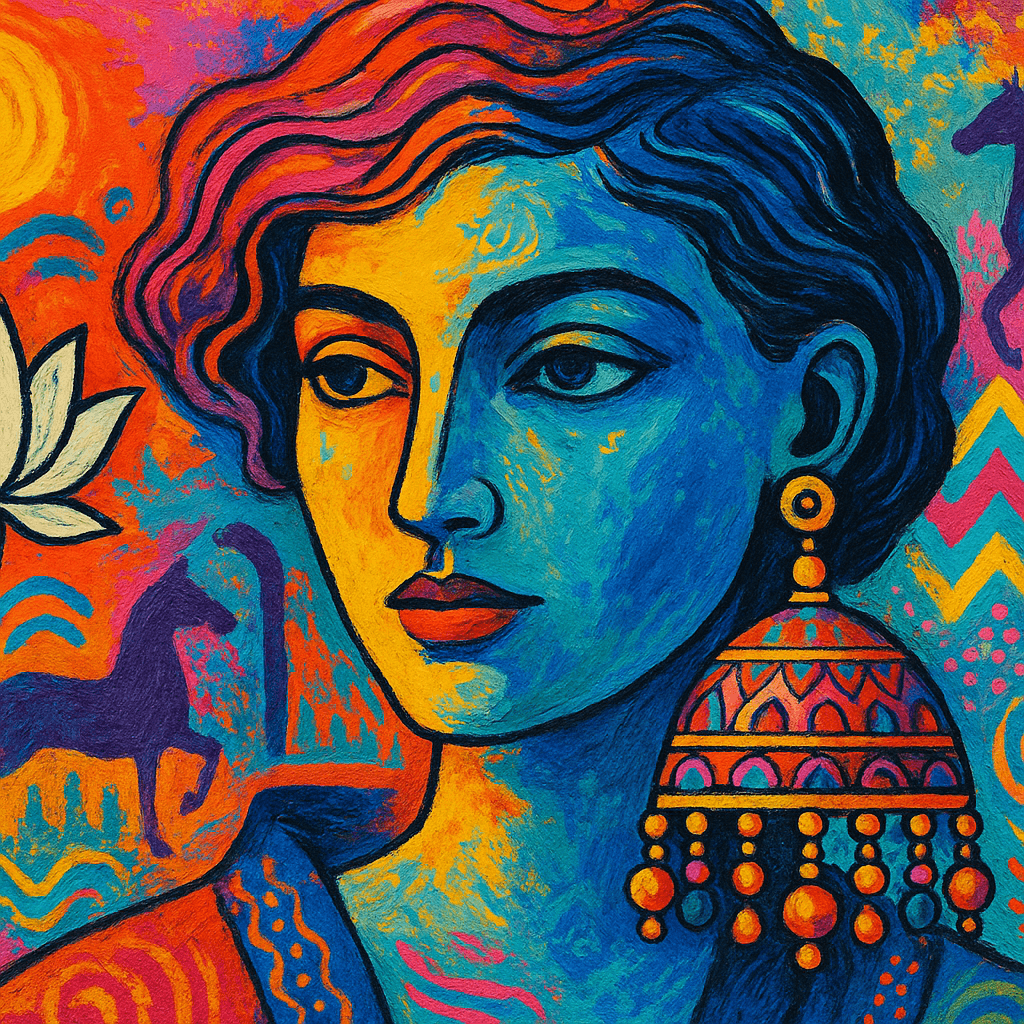
At Paris Fashion Week, Ralph Lauren presented earrings that many observers said closely resembled traditional Indian jhumkas. Social media users and cultural commentators criticised the house for what they described as cultural appropriation and a form of whitewashing South Asian aesthetics. The debate centres on whether the pieces were respectful homage or an example of uncredited borrowing from a living cultural tradition.
Crafting American Luxury: Design and Inspiration
Ralph Lauren began in 1967 and built its identity around an aspirational vision of American luxury. The brand’s visual language draws on aristocratic refinement, equestrian motifs, Western wear and preppy heritage. That broad reference palette has been a strength, helping Ralph Lauren become an icon of lifestyle branding. It also creates friction when global influences enter the mix without clear acknowledgement.
Recurring Debates: A History of Cultural Sensitivity
This is not the first time Ralph Lauren has faced questions about cultural borrowing. Past disputes have included reactions to garments and campaigns that appeared to use Indigenous or regional motifs without transparent sourcing, alongside criticisms related to imagery and casting. Those episodes illustrate a pattern: a high-profile brand operating at the intersection of cultural symbols and commercial design will repeatedly confront questions about credit, context and consultation.
Beyond the Runway: Implications for Fashion
Incidents like the jhumka controversy highlight a wider industry moment. Luxury labels now work in a climate where audiences expect provenance, collaboration and sensitivity when cultural forms are used. For designers, curators and marketers, responses that acknowledge origin and involve community voices reduce reputational risk and deepen creative practice. For consumers, these debates are shifting expectations about authorship and respect in global design.
The Ralph Lauren episode is a prompt to consider how heritage and inspiration are handled in fashion, and whether established houses will adapt processes to reflect a more plural and accountable creative economy.