Creatives Unite Against AI Misuse
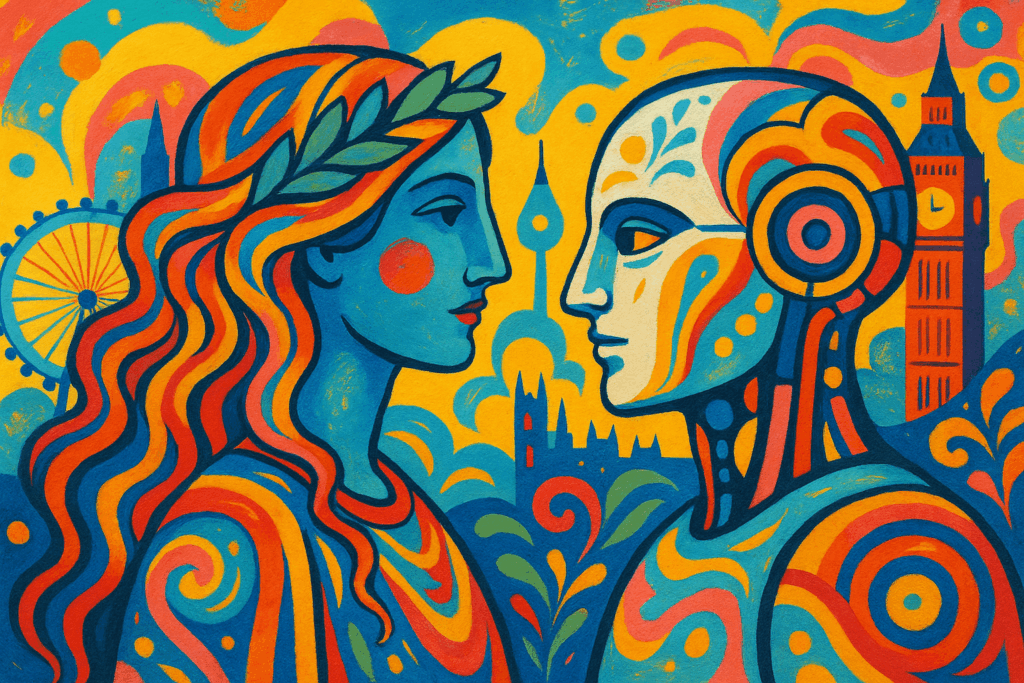
At the London Book Fair and across social media, authors, illustrators, musicians and photographers have rallied behind campaigns such as “Don’t Steal This Book.” Led in part by figures like Ed Newton-Rex, more than 10,000 signatories have demanded control and fair payment when large AI systems use their work for training.
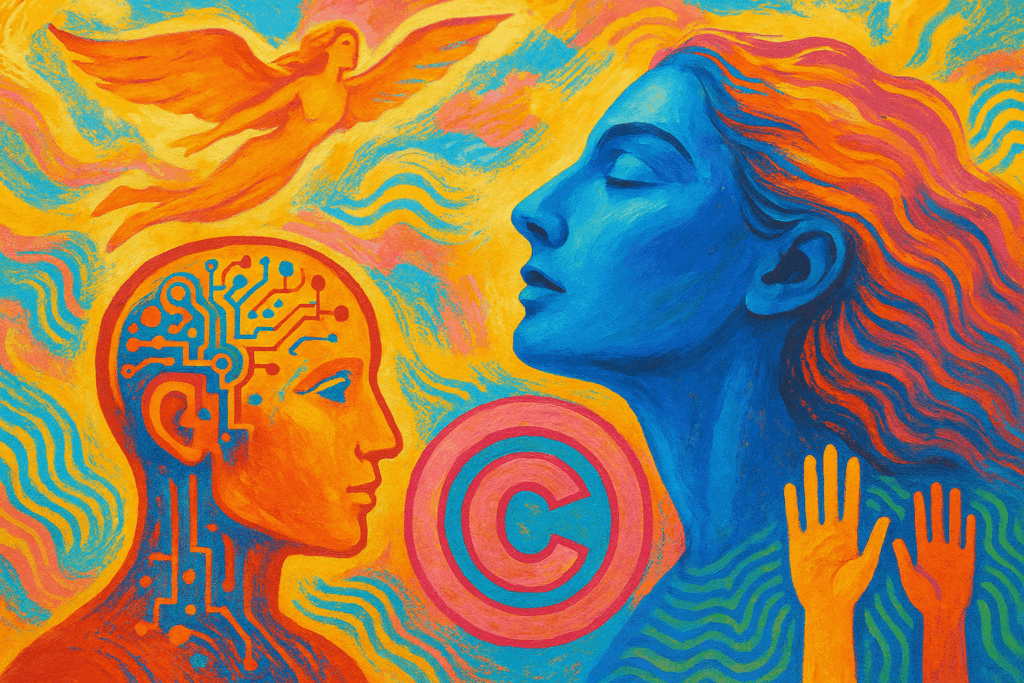
Artists say widespread scraping of copyrighted material strips them of authorial control and potential income. The message from London creatives is simple: if AI companies build value from creative labour, creators should be paid and have a say in how their work is used.
UK Government’s Dilemma and Industry Pushback
The UK government moved to clarify rules for text and data mining, but an initial approach that looked like an opt-out model sparked strong industry pushback. Creatives, unions and publishers argued that automatic, unlicensed use would leave creators uncompensated and give tech firms a competitive advantage.
Tech companies have taken different positions. Some have signalled willingness to negotiate licenses, while others have lobbied for broader access to datasets. That split has fed public debate and contributed to delays in final legislation as ministers consult stakeholders.
The Creative Economy at Stake
The UK creative sector generates tens of billions of pounds each year and supports employment across publishing, music, film and design. Weakening copyright protections risks a race to the bottom, where original creators struggle to earn a living while downstream platforms capture most of the value.
Towards a “Licensing-First” Future
Publishers’ Licensing Services and a range of industry voices are pushing an opt-in, licensing-first model. The House of Lords has recommended a licensing-based approach that balances innovation with fair remuneration for creators. A licensing system would let creators choose to make work available for AI training under agreed terms.
The outlook is unsettled but shifting. Parliamentary committees and industry groups are pressing ministers to adopt rules that protect creative livelihoods. For London creatives, the next steps are clear: follow consultations, consider collective licensing options such as PLS, and keep pressure on policymakers to secure fair pay and transparency as AI systems evolve.