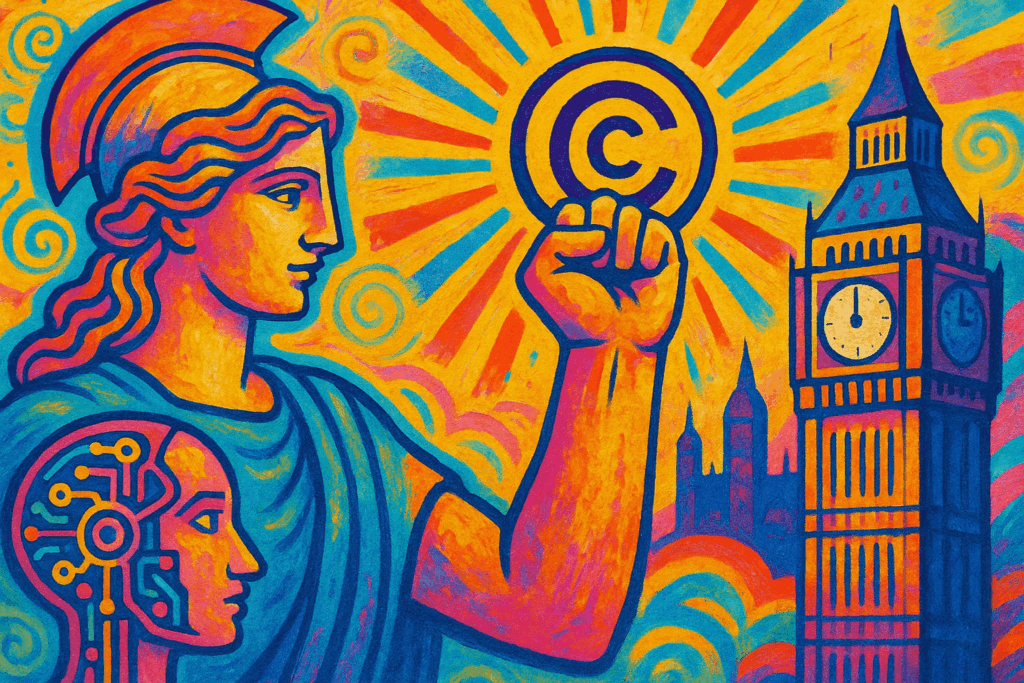
The Culture, Media and Sport Committee chair Dame Caroline Dinenage has sounded an alarm: planned UK copyright reforms addressing artificial intelligence have stalled. For London creatives—musicians, filmmakers, writers, visual artists—the delay widens the gap between powerful AI development and the legal protections that govern creative work.
Stalled Reforms: “Back to Square One” for UK Copyright?
Dinenage described the situation as a reset, reflecting frustration in Parliament that policy has not kept pace with technology. Government review processes have slowed, leaving questions about whether the UK will set clear rules for how AI systems train on and reuse copyrighted material. The result is legal uncertainty at a moment when new tools rapidly change production and distribution.
Protecting Creators: Fair Compensation and Control
Creators want simple principles: recognition, choice over how their work is used, and meaningful payment when their material trains commercial AI. Independent and smaller creators are especially vulnerable. Without statutory protections, artists may see their work replicated or repurposed without consent or a reliable route to redress. Calls from the sector include transparent dataset sourcing, rights-holder opt-in or opt-out mechanisms, and collective licensing models that distribute revenues fairly.
Industry Steps In, But Government Action Is Vital
Some rights holders are negotiating licensing agreements with AI firms. These deals can deliver revenue and set precedents, but they are voluntary, uneven, and often opaque. Relying on private agreements risks fragmenting the market and leaving many creators unprotected. A robust legislative framework would standardise terms, boost transparency, and protect both creators and legitimate innovators.
Conclusion: The UK still has a chance to build a gold standard copyright regime that supports a thriving creative sector alongside a responsible tech ecosystem. Policymakers should move from piecemeal fixes to clear, enforceable rules that give London’s creative community the control and compensation it needs in the AI era.