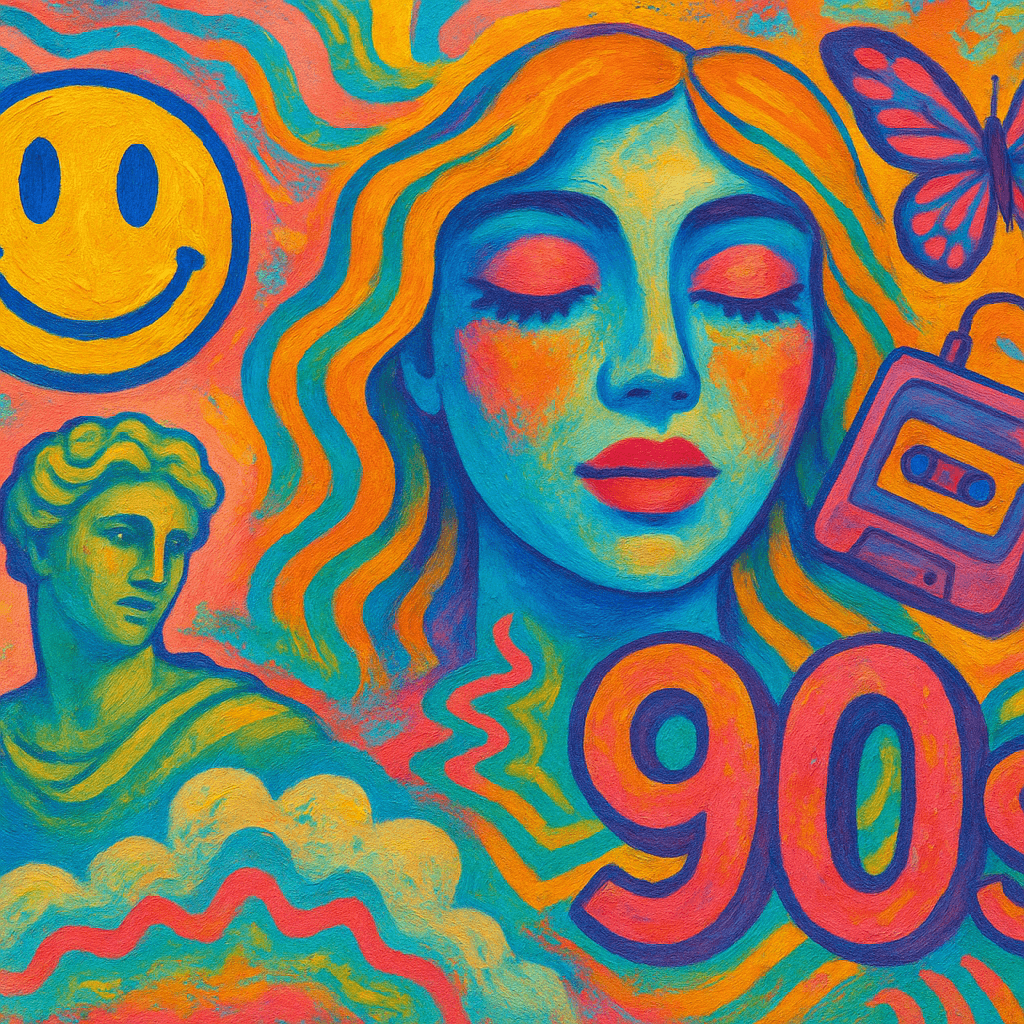
Gen Z’s fascination with the 90s and early 2000s feels more than retro dressing or a playlist. It is a cultural movement shaped by longing, mediated memory and fast-moving digital platforms. The term anemoia describes nostalgia for a time one never lived. That feeling helps explain why teenagers and twenty-somethings adopt styles, soundtracks and visual cues from decades before they were born.
The 30-Year Cycle & Digital Influence
Pop culture often returns to past eras in roughly 20 to 30 year cycles. Trends that once lived in family photo albums and dusty VHS tapes are resurfaced through streaming, reboots and algorithmic feeds. Social platforms like TikTok and Instagram take fragments of the past and aestheticise them into bite-sized formats. A clip of a 90s song, a grainy camera filter or a fashion haul can become a template millions copy, remix and share. This accelerates the cycle and makes secondhand nostalgia feel immediate and personal.
Identity, Comfort, and Pop Culture
Nostalgia offers a reliable emotional anchor in a world of rapid change. For Gen Z, reclaiming older media, fashion and music is a way to test identity without inventing everything from scratch. Film and TV can be particularly influential. Shows such as Stranger Things do more than reference 80s tropes; they invite new audiences to inhabit a shared past, creating community and a sense of continuity. Music cues, movie aesthetics and vintage wardrobes become tools for self-expression and belonging.
This interest is not purely escapism. Engaging with past culture allows younger generations to negotiate modern anxieties while assembling a coherent sense of self. It folds borrowed narratives into contemporary concerns, producing new cultural forms that feel both familiar and novel.
Conclusion
Gen Z’s 90s fixation is a layered phenomenon: psychological, mediated and social. Through anemoia, cyclical trends and platform-driven remix culture, the past becomes a resource for meaning, comfort and identity in the present. Film, music and media are the maps that help them get there.