Beyond the Screen: How Music Shapes Story and Culture
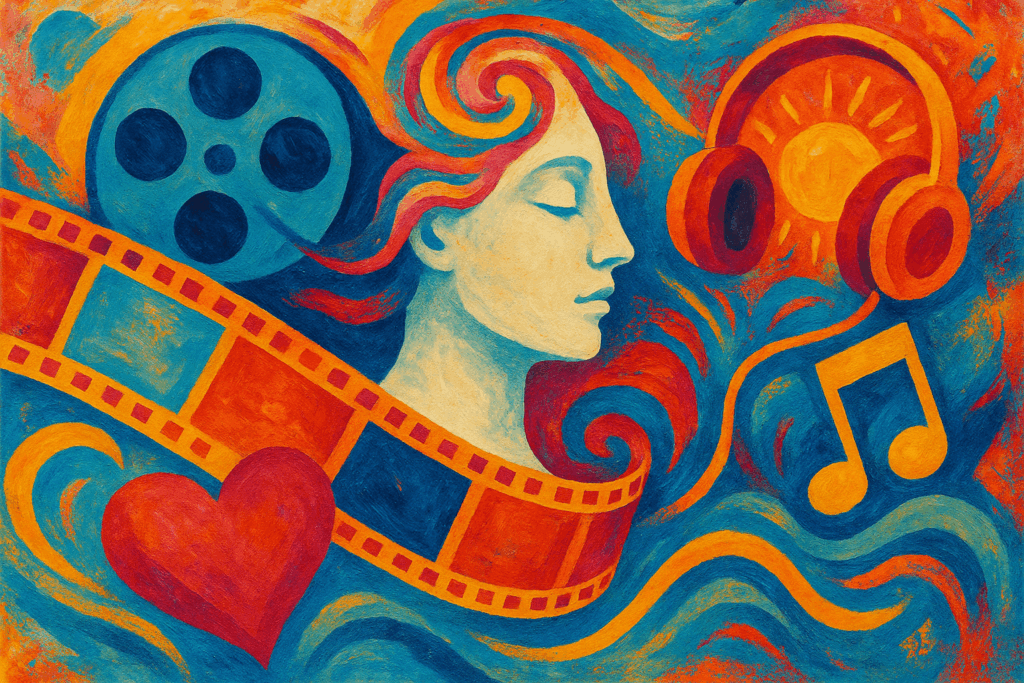
Music in film works as emotional shorthand and narrative scaffolding, turning images into memories. As Reader’s Digest noted, the right song or score can compress feeling and context into a single moment, making scenes linger long after the credits roll. Soundtracks do more than accompany action; they create mood, suggest backstory, and guide the audience’s emotional map.
When a soundtrack resonates, it escapes the theatre and enters everyday life: radio playlists, family gatherings, clubs, and streaming libraries. That migration is how film music becomes a cultural touchstone, shaping fashion, language, and collective memory.
Iconic Scores That Defined Eras and Emotions
- Saturday Night Fever: The Bee Gees’ pulsating disco tracks turned a movie into a movement, defining 1970s nightlife and pushing dance culture into the mainstream.
- The Lion King: Elton John’s songs and a sweeping score allowed animation to carry sophisticated musical storytelling, creating themes that travel across generations and cultures.
- Titanic: Celine Dion’s anthem anchored the film’s emotional core and drove commercial success, proving a single song can become inseparable from a blockbuster’s identity.
The Enduring Legacy of Cinematic Sound
Great film music stands as an independent artistic work, able to evoke place, era, and feeling without images. Whether sampled in new tracks, covered by artists, or streamed on repeat, these soundtracks continue to shape how we remember stories. They remind us that film is an audiovisual art form and that sometimes the most lasting part of a movie is what you hear.