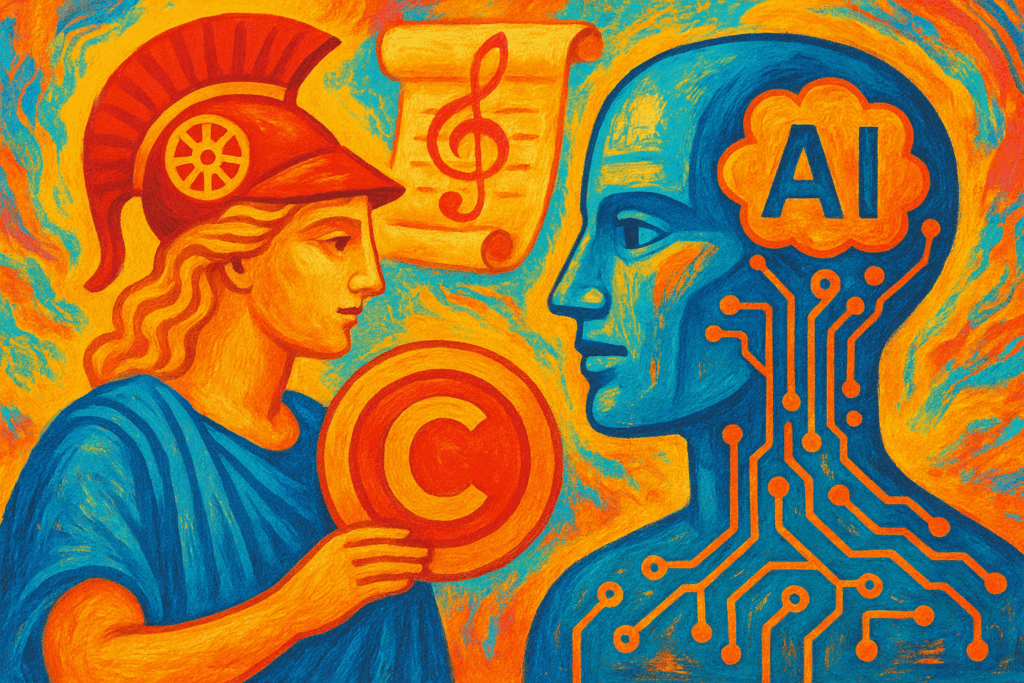
Culture Secretary Lisa Nandy has admitted the UK government made a “misstep” in its initial approach to AI and copyright, prompting a reset of policy work that affects writers, musicians, film-makers and other creative professionals. The move follows strong industry pushback over proposals to allow large language and image models to use works for training unless rights-holders explicitly opted out.
The Controversial “Opt-Out” Proposal
The original plan favoured an opt-out model for AI training data. Under that system, copyright owners would need to register exclusions to stop their works being scraped for model training. Creators argued this shifted the burden from AI firms to rights-holders, risking large-scale unauthorised use of protected material and undermining existing markets for creative work.
Acknowledging Backlash and Resetting the Path
Following consultations, Nandy acknowledged the approach was wrong and announced a reset that will reopen talks across government, including with Science Secretary Liz Kendall, industry bodies, tech companies and creators. The government has signalled it will seek a model that better balances investment in UK creative talent with the realities of AI development.
Balancing Innovation with Creator Protection
Nandy has framed the opportunity as positioning the UK as a source of high-quality human-made content that AI firms want to access, but prominent creatives warn of real harm. Screenwriter Steven Knight has described AI as a threat to writers when companies treat copyrighted output as a free resource and show little moral obligation to creators. Key concerns include fair payment, transparency about training data, and attribution.
Implications for the UK’s Creative AI Landscape
The policy pivot matters for publishing, film, music, TV, fashion and digital arts. A workable framework could protect revenue streams while allowing responsible AI use such as tools that assist rather than replace creators. Practical steps likely to appear in debates include a move toward opt-in elements, clearer rights recognition, provenance standards and tailored exceptions for research and interoperability.
For UK creative professionals the next phase of consultation will be decisive. Crafting law that preserves creative livelihoods while enabling useful AI tools will shape the future of the nation’s Creative AI Culture.