Kia’s Visionary Approach at Milan Design Week
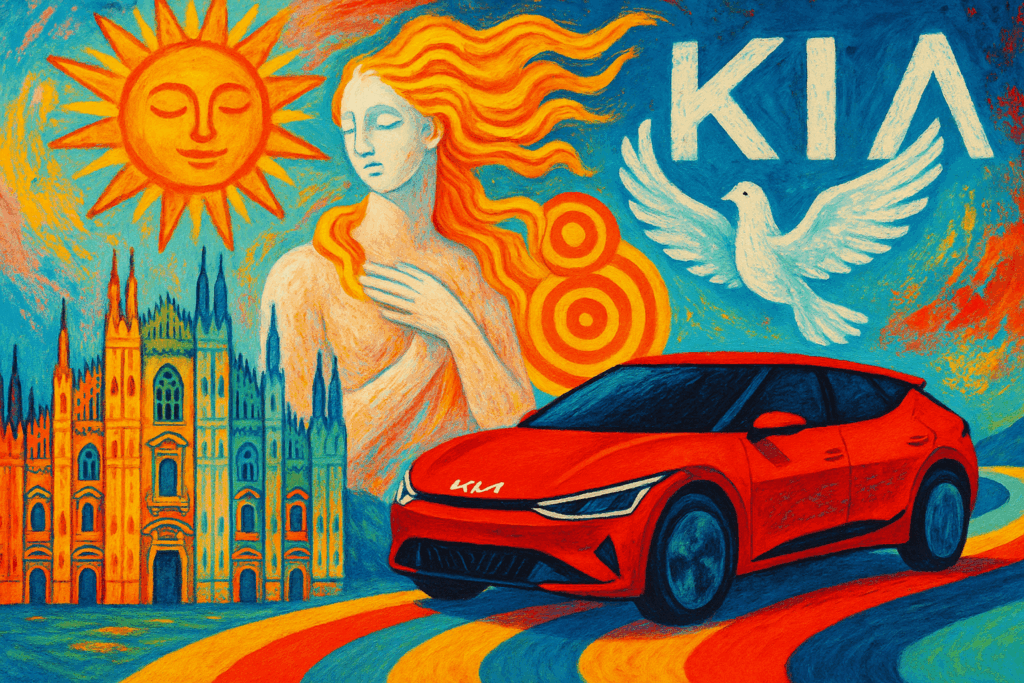
Kia arrived at Milan Design Week 2026 not simply to show cars but to present a coherent worldview. Under the umbrella Resonance of Opposites, the brand staged a two-part programme that reframed automotive design as cultural proposition. The intent was to make visible a design language that sits beyond utility, positioning Kia as a maker of ideas about how we live, move and feel.
‘Opposites United’: A Philosophy Manifested Through Dual Exhibitions
The Opposites United philosophy was materialised through two distinct yet complementary exhibitions. Each offered a different register of the same narrative: one inward, one outward.
Journey of Reflection at Museo della Permanente presented Kia’s design essence through the trio Gaze, Dare, Muse. Through light installations, immersive soundscapes, and contemplative pathways the space encouraged slow attention. Visitors moved through tranquil vignettes that translated materiality and temperament into sensory moments, making the brand’s aesthetics legible as an emotional practice.
Journey of Projection at Salone dei Tessuti focused on tangible futures. The show floor organised concept vehicles and EV prototypes to read as design statements. Most notable was the global debut of the Vision Meta Turismo, a concept that synthesises opposing ideas of comfort and performance, analogue warmth and digital connectivity. The vehicles acted as proofs that Kia’s internal philosophy can be engineered into living products.
Beyond Products: Shaping the Future of Mobility and Brand Identity
Kia used the week to argue that design can be the principal axis of brand strategy. Rather than staging a conventional launch, the brand offered a philosophical proposal about future mobility and domestic life. The consistent storytelling across venues showed how visual language, atmosphere, and product converge to form a coherent identity. For designers and strategists this model demonstrates how cultural projects can substantiate brand claims.
A Lasting Statement in Design Culture
By treating Milan Design Week as an editorial platform, Kia advanced its role from manufacturer to cultural participant. Opposites United became more than a tagline; it functioned as a framework for conversation about sustainability, human-centred technology and the aesthetics of everyday movement. The result is a clearer vision of how an automotive brand can shape design discourse for the years ahead.