Fashion is more than fabric and fastenings. From bold prints to sleek lines, clothing operates like a visual language. It can be a public portrait, a private experiment, or a tribute to heritage. When we see garments as art, dressing becomes an act of composition rather than a daily chore.
The Art of Adornment
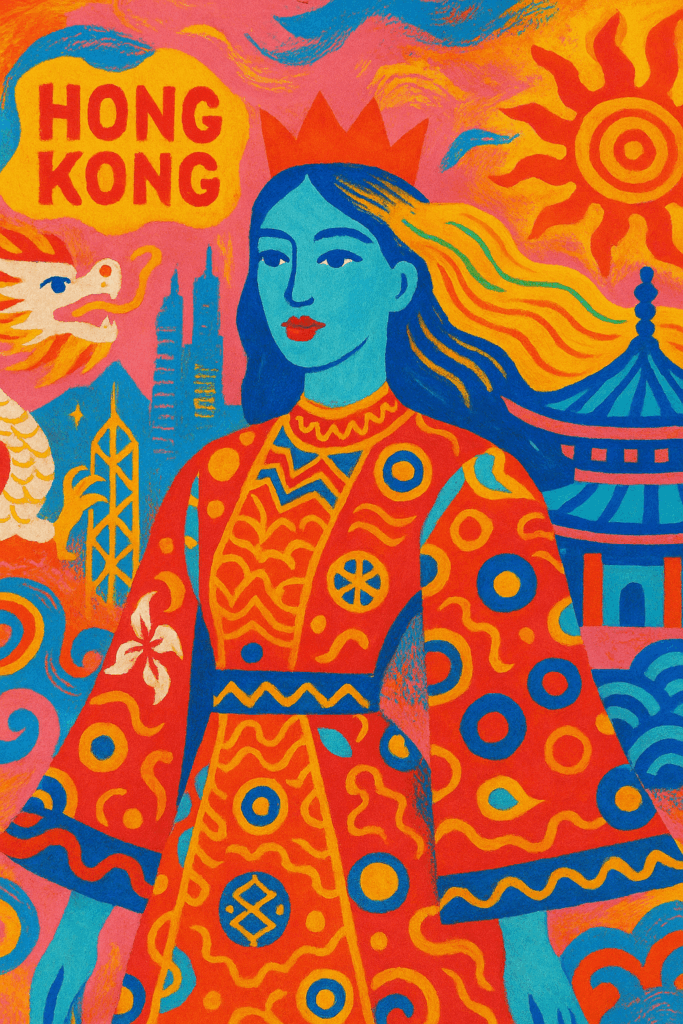
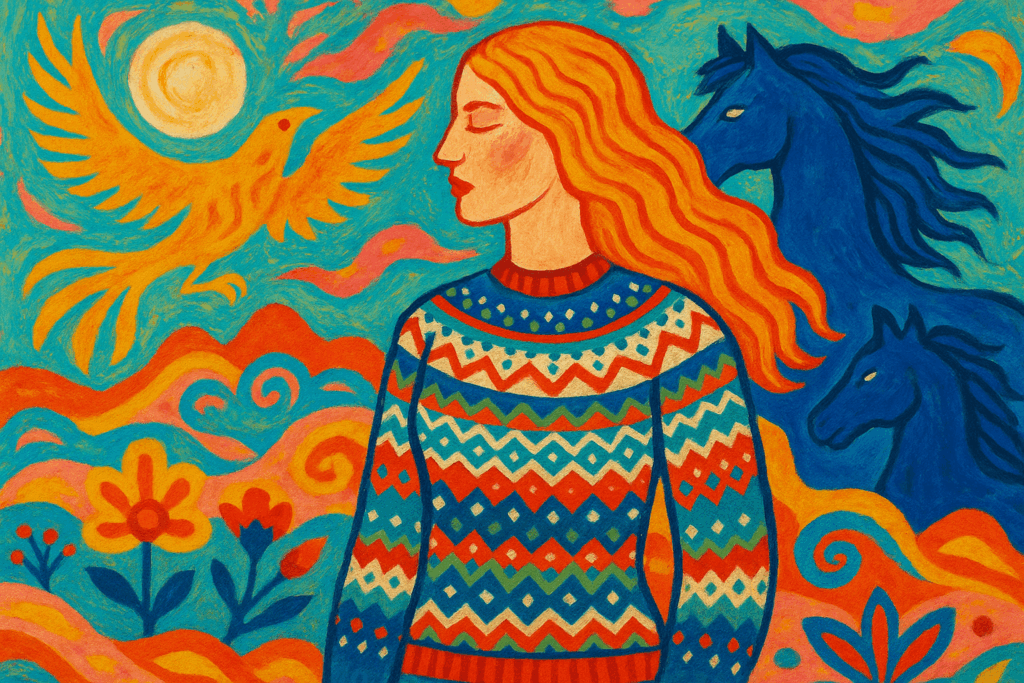
Design elements turn cloth into a statement. Color palettes work like paint, patterns read like brushstrokes, and silhouette defines the space a body occupies. Tailoring refines the piece, texture invites touch, and proportion creates rhythm. Whether a graphic print or a minimalist cut, each choice registers as an aesthetic decision with emotional resonance. Designers borrow from sculpture, architecture, and visual art to create looks that function on the body and in the broader cultural imagination.
Weaving Identity into Every Thread
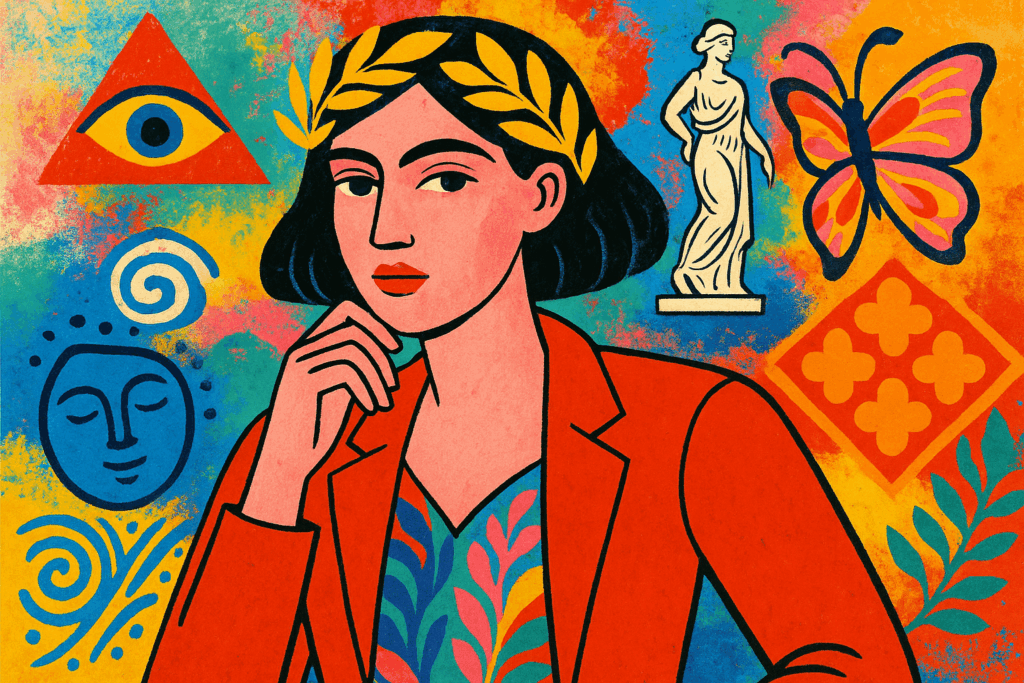
Clothing is a way to declare who you are, what you feel, and where you belong. A jacket can announce confidence, a vintage find can connect you to a decade, and a handmade accessory can signal values like craft and sustainability. Style lets people play with roles and moods: some use bold contrasts to demand attention, others prefer subtle cues that reward closer observation. Cultural rhythms and community codes shape those choices. Music, film, street style, and family traditions all inform the vocabulary you borrow. Thoughtful selection turns wardrobes into ongoing narratives about identity and aspiration.
Conclusion
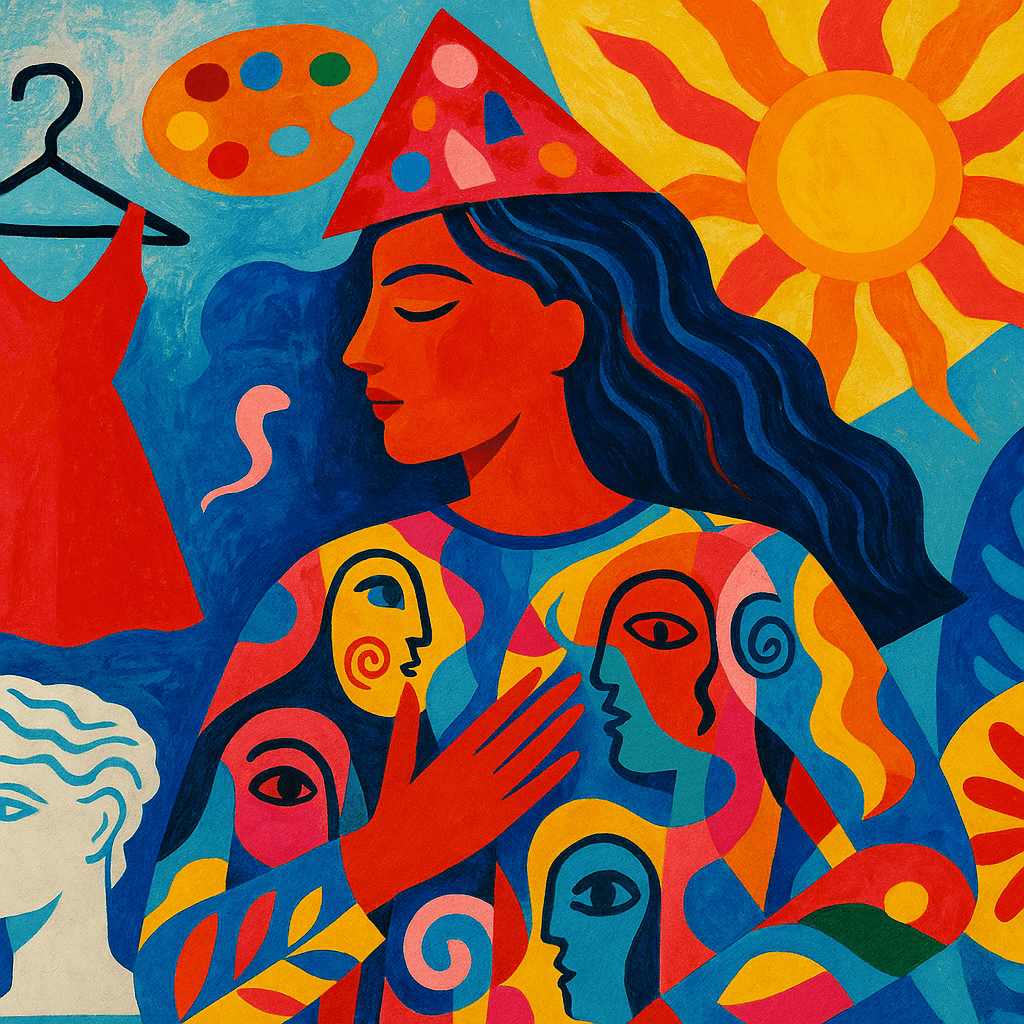
Seeing fashion as art invites curiosity and intentionality. Your wardrobe becomes a studio where small experiments add up: a new print, a slimmed silhouette, a reworked jacket. These acts are simple, daily opportunities to express taste, tell stories, and connect to culture. Approach dressing as a creative habit and you will find your personal canvas expanding, one outfit at a time.