Louis Theroux on AI Art: A New Portrait of Creativity
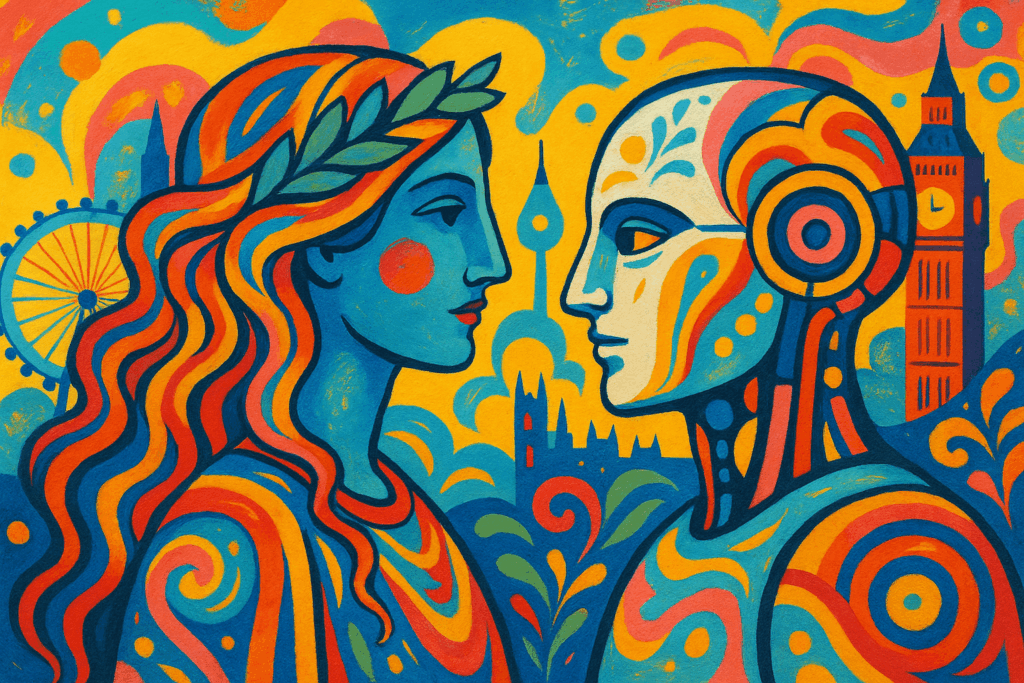
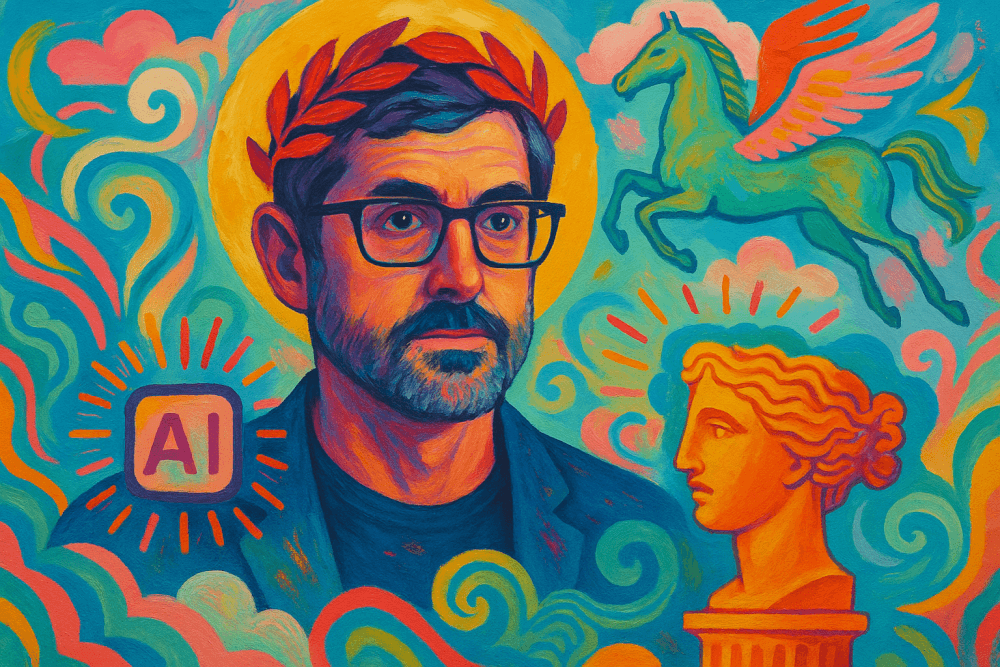
Louis Theroux’s recent appearance on Portrait Artist of the Year brought a mainstream spotlight to an ongoing debate: can generative AI capture the human essence that painters have pursued for centuries? Theroux described AI art as “interesting,” a concise prompt for a wider conversation about authorship, intent and emotional truth in creative practice.
The Enduring Power of the Human Brush
Judges and artists on the show stressed what many London creatives already feel: portraiture is more than likeness. Human artists read gesture, history and subtle contradictions that arise in a live encounter. That capacity to witness and translate a sitter’s vulnerability or humour is rooted in context, craft and the relationship between maker and subject. Those are qualities generative models do not carry forward automatically.
Theroux’s Balanced View on Generative Art
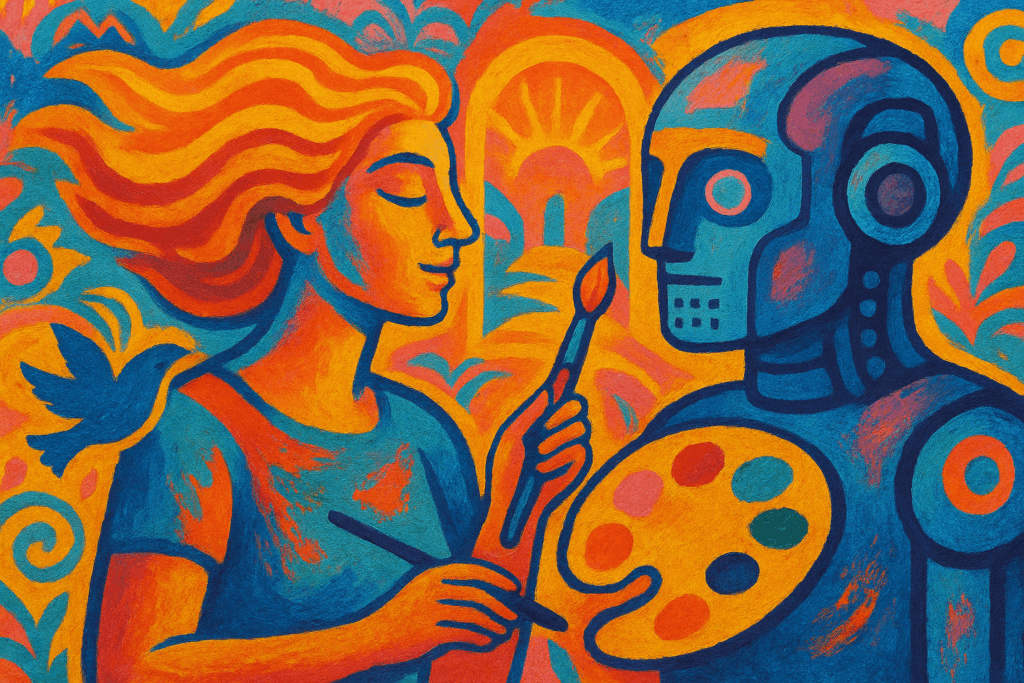
Theroux’s verdict was not a dismissal. Generative AI can produce surprising visuals and speed up idea generation, but it lacks lived experience and intentional storytelling. Where AI excels in pattern and scale, human artists bring narrative choices, moral frames and cultural knowledge. The most productive stance for creatives is to treat AI as a tool for exploration rather than a replacement for creative judgement.
Creative AI: The Unfolding Canvas for London
For London’s creative community the takeaway is pragmatic. Use generative tools to prototype, iterate and spark new directions, while keeping authorship, craft and ethical practice front and centre. Emphasise distinct voice, collaboration and the kinds of human insight that machines cannot replicate. The debate set off by Theroux and the show matters because it forces a clearer definition of what artists offer that AI cannot reproduce: presence, context and a deliberate point of view. That is where the future of creative work in the city will find its value.