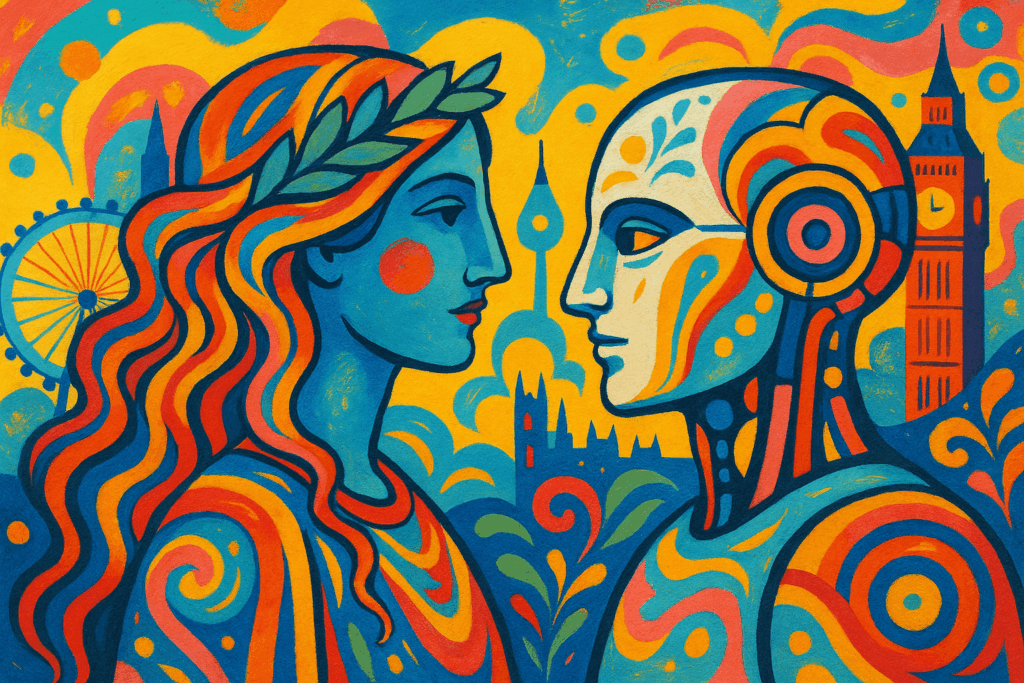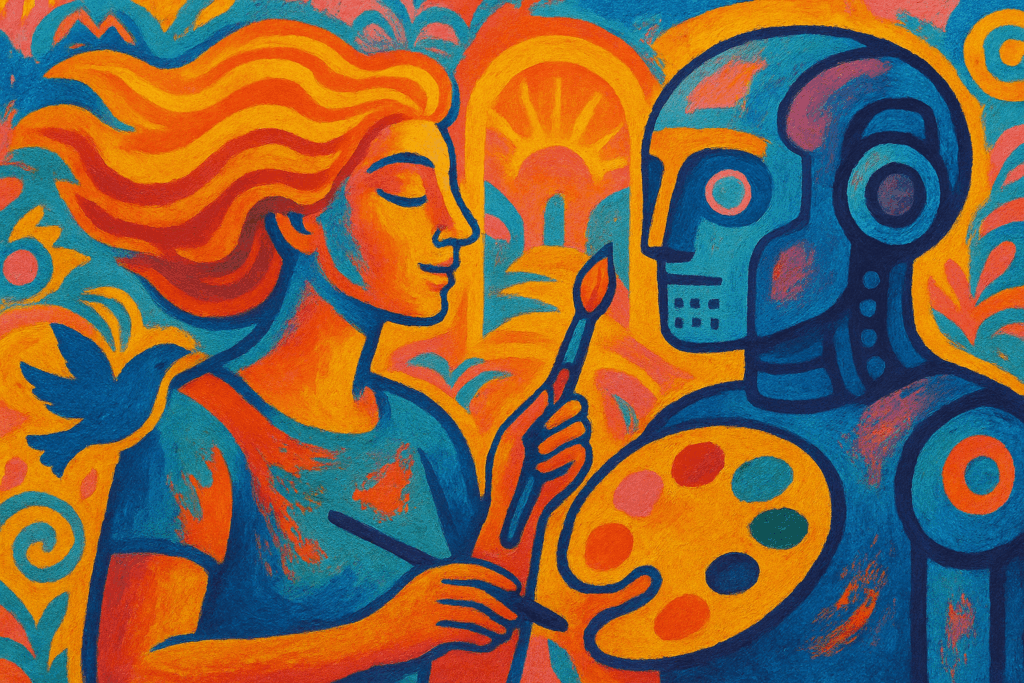
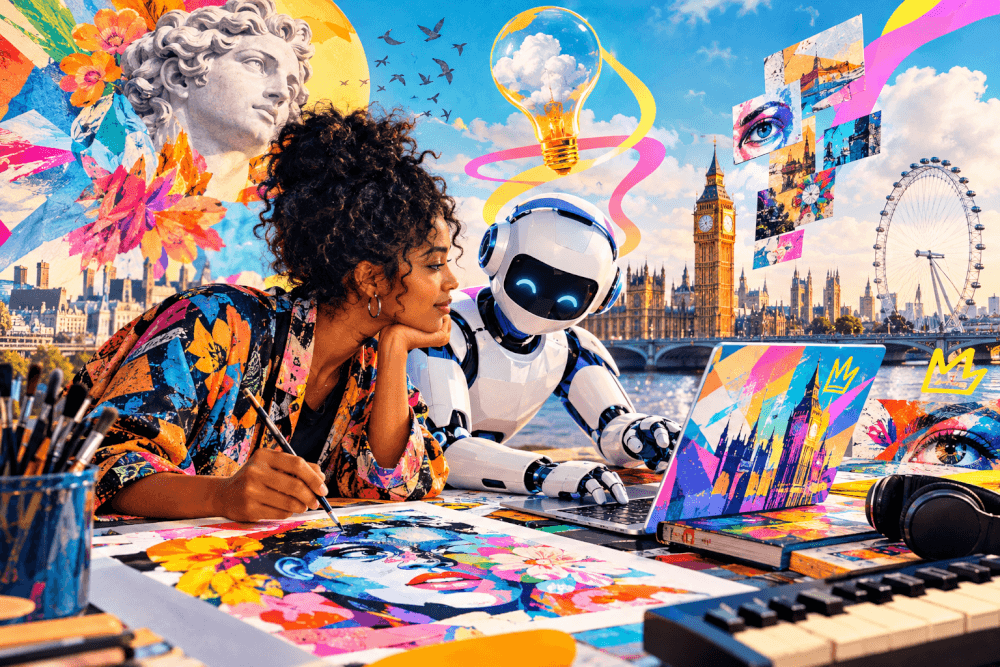
AI is shifting from a backstage utility to an active collaborator in London’s studios, agencies and music rooms. For local creatives this means new workflows, hybrid practices and unexpected sparks of invention that support—rather than replace—human expression.
Bridging ideas: how AI assists creatives
From rapid ideation to detailed prototyping, AI speeds routine tasks and proposes options a human might not consider. Photographers use generative tools to test lighting concepts; writers use co-writing models to sketch structure; composers iterate on motifs with algorithmic suggestions. In practice, AI reduces friction in early stages so creators can focus on curation and final decisions.
Tools shaping tomorrow’s art
Generative image models, neural audio engines and large language models are the most visible tools today. London studios combine these with traditional craft: design teams feed models curated datasets to retain brand voice; indie musicians use AI to explore textures; galleries host shows that blend algorithmic output and hand-finished pieces. Startups across the city are packaging these capabilities into accessible apps for freelancers and small teams.
The human touch: guiding AI’s creative potential
Human judgment remains the anchor. Intent, context and taste shape which AI suggestions survive. Artists decide what to keep, modify or reject, using AI as a collaborator that amplifies curiosity and speeds experimentation. Ethical choices, authorship and attribution are active conversations in London’s creative networks, with practitioners asserting standards and building shared practices.
London’s strength lies in its dense community of makers, technologists and institutions. That ecosystem will determine whether AI becomes a new studio partner or a passing novelty. For creatives willing to experiment, AI is already expanding what’s possible while leaving the voice and meaning in human hands.