London’s AI-powered creative shift
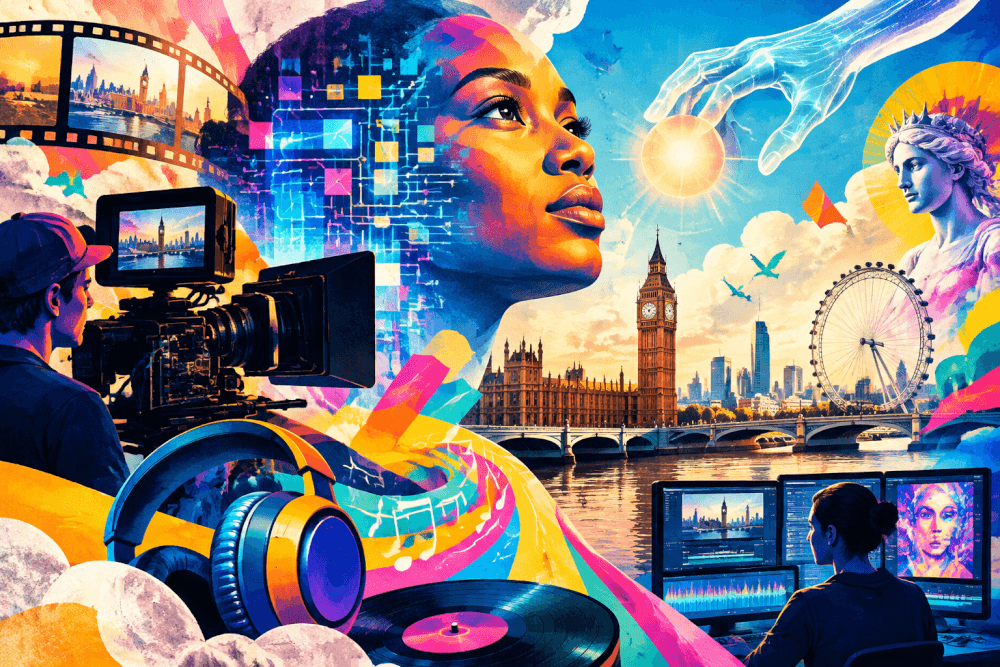
Artificial intelligence is moving from experiment to everyday tool across London’s film, music and media scenes. From VFX houses to independent labels and public broadcasters, creatives are using machine learning to speed workflows, open new artistic possibilities and reach audiences in different ways. The city’s studios, universities and startups are turning global technology into local practice.
AI in film and visual media
In London post-production and visual effects studios are applying AI to tasks such as rotoscoping, image restoration and virtual production planning. Companies like Framestore and larger studio complexes are piloting machine learning to reduce repetitive manual work and shorten delivery times. The BBC and cultural bodies are funding pilots that pair creative teams with technical researchers. Benefits include faster turnaround and more affordable high-end effects for smaller productions. The trade offs are legal and ethical: authorship, rights over training data and the threat of convincing synthetic assets complicate credit and regulation.
Redefining music in the capital
London producers and engineers increasingly use AI-assisted plugins and generative tools to create stems, suggest harmonies and automate mastering. Iconic facilities and independent producers experiment with machine learning to generate new textures while universities such as Goldsmiths and industry hubs run research and workshops that connect technologists with musicians. For artists this can lower technical barriers and spark new sounds. At the same time there is an ongoing debate about ownership, fair pay and how streamed AI-generated works should be licensed.
Media’s new frontier
Newsrooms and creative agencies in London are deploying AI for automated transcription, personalised recommendations and data-driven audience insight. The technology helps scale content and find niche audiences, but it also raises questions about misinformation, editorial oversight and diversity of voice. Broadcasters and publishers are experimenting with guardrails and editorial workflows to keep human judgement central.
London’s creative future with AI
AI will not replace London’s creative talent, but it will reshape roles and business models. The most productive path combines technical literacy, clear rights frameworks and cross-sector dialogue between artists, technologists and policymakers. For busy creatives the immediate opportunity is practical: test small, collaborate with local labs and shape standards that protect creators while unlocking new forms of expression.