Political Playlists: The Taylor Swift vs. Trump TikTok Incident
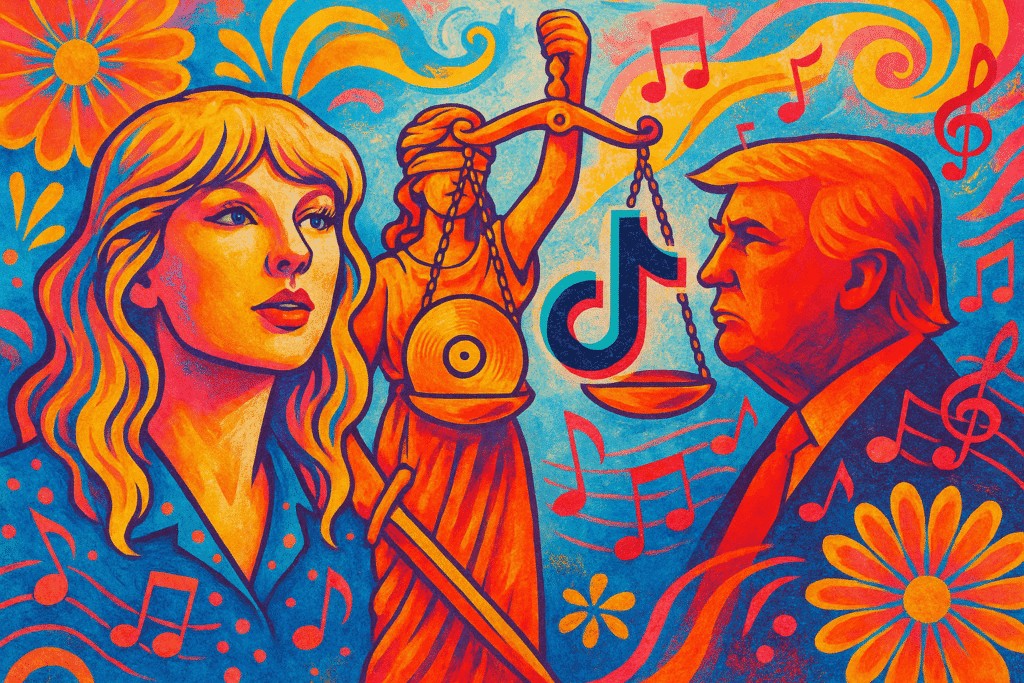
Reports showed TikTok posts tied to the Trump White House or campaign using Taylor Swift tracks, provoking artist pushback and removal of the content. The episode underlines a familiar tension: high-profile political actors using popular music without artists’ consent, and the public fallout when rights holders object.
Copyright on the Campaign Trail: What’s Allowed?
Copyright law separates at least two rights most relevant here: the composition (songwriting) and the master recording. To pair a song with video you normally need synchronization rights and permission from the master owner. Social platforms like TikTok negotiate licenses that permit users to add tracks from an in-app library for personal, user-generated posts. Those platform licenses commonly exclude political advertising, campaign content, or certain commercial uses. That means politicians do not automatically have the right to use any track for campaign promotion.
Implications for Artists and Creators
For artists, the incident reaffirms control over how music is associated with political messages. In the US, moral rights are limited, but copyright owners can demand takedowns, send cease and desist notices, or pursue litigation for unauthorized use. Public statements by artists can also influence platform enforcement and public opinion, affecting the market value of a song and an artist’s brand.
Navigating Digital Content for Political Use
Best practice for campaigns and creators is simple: clear the rights. If a campaign wants a song in a post or ad, secure sync and master rights in writing, and confirm platform permissions cover political use. Alternatives include commissioning original music, licensing production music libraries with political-use clauses, or using tracks expressly cleared for public affairs. For creators who find their work used without consent, standard recourse includes requesting platform removal, issuing a takedown under copyright law, and seeking legal counsel.
For the creative industries, the takeaway is straightforward: music is not a neutral backdrop in politics. Rights holders can and will act to protect creative output and public association, and professionals should plan licenses accordingly.