Drake’s ‘Fear of Missing Out’: Unpacking ‘Self-Funded Surrealism’ in Modern Media
The Vision Behind FOMO: A Personal & Artistic Statement
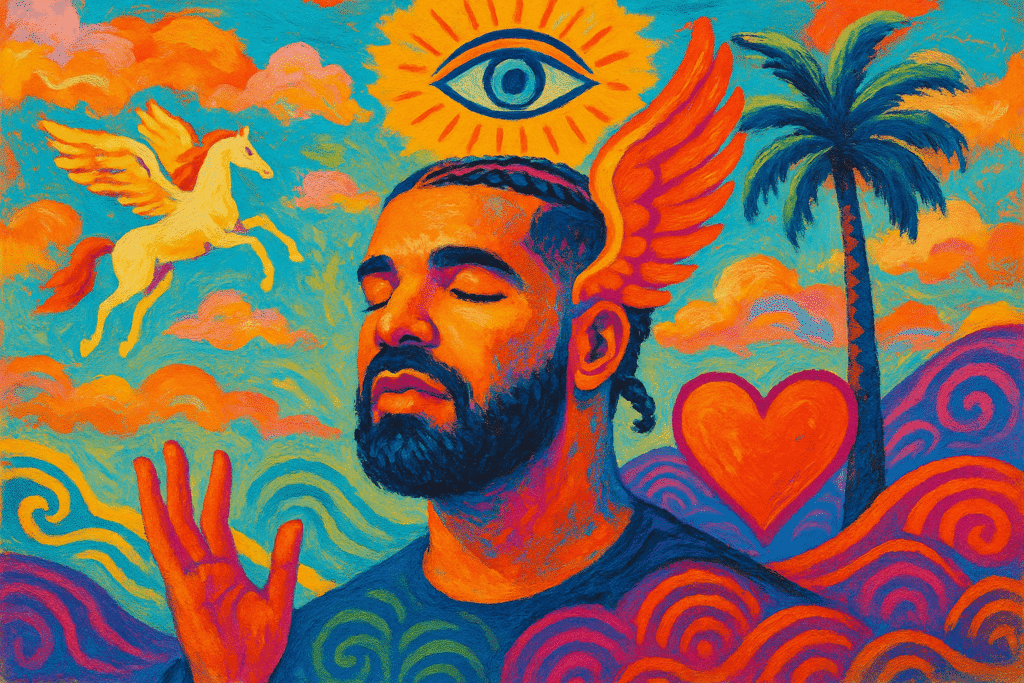
Drake’s short film Fear of Missing Out is described as “A story about making the absolute most of it all in one summer.” The project is framed around what he calls “self-funded surrealism,” a deliberate creative choice that places artistic control and idiosyncratic imagery ahead of mainstream formula. Drake says the film will appear on platforms including YouTube, Spotify and Apple, signalling a direct reach to audiences without relying on traditional label-driven rollout tactics. We also omit an unverified claim about a 2026 album; this piece focuses on the film and its intent.
Drake’s Cultural Commentary: A Stand for Creative Value
Drake uses the project to make a broader point about the state of music and media. He warns that “our genre is dying” and that “videos don’t matter,” yet he insists he cares about visual storytelling, saying, “I still care. As much as I did on the set of ‘Best I Ever Had’.” That tension is central to the film’s message: even if industry momentum shifts away from traditional formats, a major artist can still invest in cinematic work to shape legacy and audience perception.
What ‘Self-Funded Surrealism’ Means for Artists
Self-funded surrealism combines personal financing with unconventional, dreamlike imagery. For artists this model offers freedom to experiment without label constraints, to prioritise artistic risk over algorithmic reward, and to control narrative framing. Drake’s approach highlights how established acts can use their resources to produce culturally resonant work on their own terms.
Conclusion
Fear of Missing Out is more than a promo piece. It is a statement about autonomy, the ongoing value of visual art in music, and the choices artists make when they fund and direct their own creative visions. In a media landscape that often rewards the predictable, Drake’s self-funded surrealism argues for keeping imaginative, personal work visible and viable.