The Unseen Threads: Media’s Interwoven Influence
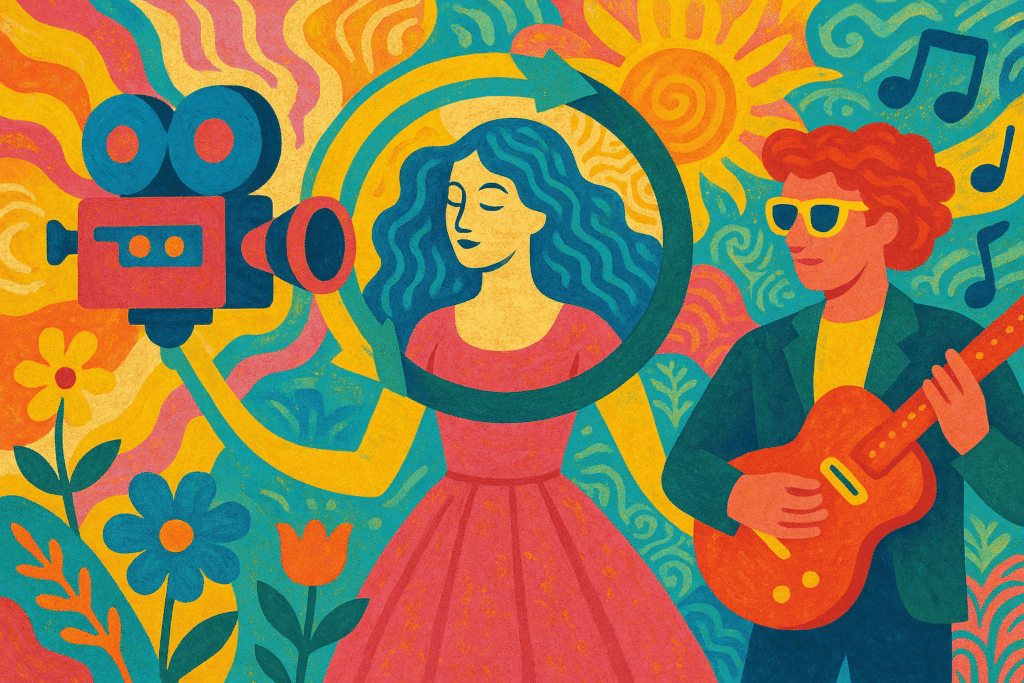
Some looks feel instantly familiar even when we first see them on screen. A character in a casino, a pop star in a music video, a costume in a period drama; these images borrow from earlier modes and then reappear with new meanings. Film, fashion and music trade symbols, textures and gestures until a style becomes something more than a costume. It becomes a language.
From Screen to Street: The Journey of a Trend
- Impact moment: A striking on-screen image captures attention.
- Audience adoption: Viewers begin to mimic the silhouette, makeup or attitude.
- Fashion translation: Designers, stylists and retailers reinterpret the look for real bodies and wardrobes.
- Social acceleration: Photos, edits and DIY tutorials circulate, compressing the timeline from premiere to mainstream.
That path explains why a cinematic notion like “casino glamour” becomes a motif at parties and on street corners rather than remaining a moment in a film.
Music’s Beat: Reinventing Visuals
Music videos and artist styling are laboratories for reinterpretation. When a performer repurposes an existing aesthetic, they can shift its tone. A dress that once read as retro can feel subversive in a new video. Bands and solo acts often remix period references, subcultural codes and runway looks into identities fans want to inhabit. Artists act as translators, not copyists.
The Enduring Power of Shared Aesthetics
Certain looks persist because they carry clear symbols, emotional weight and room for variation. They are repeatable and readable across contexts, which makes them useful to storytellers, brands and everyday wearers. Audiences complete the cycle by remixing, photographing and repurposing what they love. The result is a continuous, creative echo in which film, fashion and music keep borrowing, reshaping and reminding us why some styles never quite disappear.