Harikiki: A Sanctuary for Ainu Skills
On the shores of Lake Akan in Kushiro, Hokkaido, Harikiki, the Akan Ainu Craft Center, has opened its doors as a living classroom for Ainu traditions. The school’s mission is simple and deep: to pass on time-honored techniques that embody Ainu identity. In a region where language and customs once faced near extinction, Harikiki offers structured study combined with the everyday routines of craft life.
Hands-On Heritage: The Crafts Taught
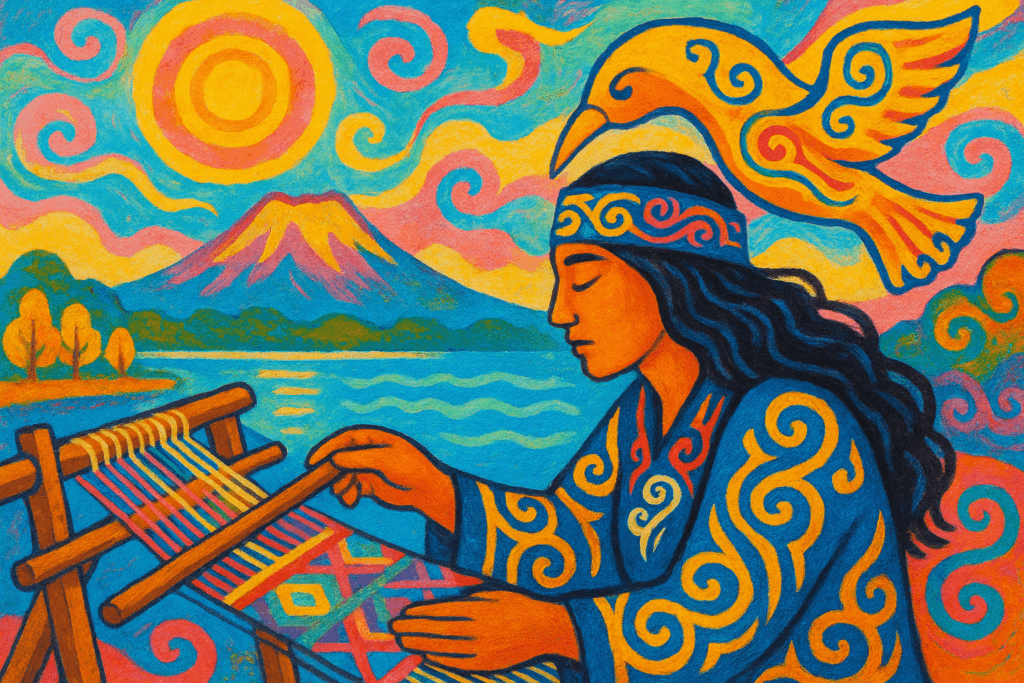
Students learn a suite of Ainu arts rooted in local materials and stories. Wood carving emerges from timber gathered nearby and is shaped into tools and ceremonial items. Intricate embroidery features traditional geometric patterns that mark family and regional ties. Musicians practice the mukkuri, a mouth harp whose resonant twang holds songs and seasonal memory. Practical skills include making the makiri, a small utility knife whose form reflects decades of refinement.
The two-year curriculum blends technique with context. Alongside tool skills, trainees study Ainu language, oral history and the cultural meanings behind motifs and songs. Workshops, mentorship with elder artisans and public demonstrations give students repeated practice and the chance to explain their work to visitors.
Student Journeys: Bridging Generations
Harikiki’s inaugural and second classes reflect both urban and rural backgrounds. Some students arrived seeking reconnection with ancestral practice. Others chose craft as a way to contribute to community resilience. Their upcoming graduation will be more than a ceremony. It will mark a transfer of responsibility: these makers will return to towns and families equipped to teach, to revive ceremonies and to keep Ainu craft visible.
A Legacy Reborn: Why This Matters
Harikiki stands as an example of how formal learning and intimate apprenticeship can work together to sustain an indigenous artistic tradition. The school makes visible the care that goes into each stitch, cut and carved curve, and reminds us that cultural survival depends on people willing to spend years learning. For Ainu communities and for anyone who values craft as cultural memory, Harikiki is a hopeful model of continuity and renewal.