The lure of free or low-cost music for film and digital projects is obvious: speed, low budgets, and instant access. That convenience masks a series of invisible costs that affect artists, audiences and the long-term health of media soundscapes. Choosing the cheapest path now can erode both livelihoods and cultural memory.
A Costly Convenience: Financial Drain
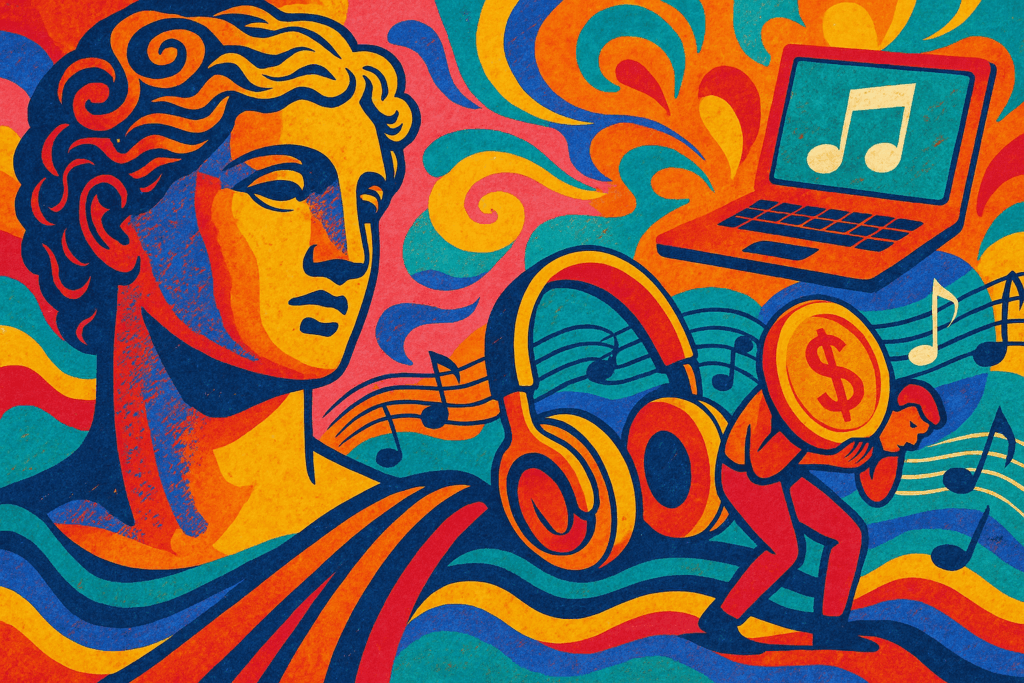
Stock and royalty-free platforms promise simplicity but often funnel revenue away from performing artists, songwriters and labels. Many tracks are sold under work-for-hire terms that transfer rights and future income to third parties. Micro-licensing models and poor metadata also interrupt performance royalty flows, so plays across broadcast and streaming fail to reach creators. The result is a commodified music market where short-term savings for a production translate into chronic underpayment for those who make the music.
Eroding Culture: The Loss of Discovery
When visual media relies on generic tracks, it replaces moments of discovery with sonic wallpaper. Music has power to create memory and launch careers. Iconic pairings between song and scene can revive neglected catalogues and broaden audiences. Defaulting to ready-made beds strips scenes of unique identity and robs viewers of the thrill of finding a new artist. That blanding of sound reduces the cultural conversation around both film and music.
The Future at Stake: AI and Artistry
Generative AI promises faster production of passable music. Without clear regulation and fair licensing, AI can further depress value by producing mimicry instead of genuine craft. Models trained on existing works risk reproducing styles without proper attribution or compensation. Over time this could normalize disposable music and narrow the range of voices heard in media, undermining the pipeline that brings new composers and performers into prominence.
Conclusion: Prioritising Purposeful Sound
The sync system needs reform, but the practical alternative is not automation alone. Producers and supervisors can choose libraries and partners that pay royalties, insist on transparent metadata, commission original scores, and treat music as strategic storytelling. That approach costs more up front but preserves artistic ecosystems and delivers richer, more memorable work. Supporting human curation protects the value of music for creators and audiences alike.