Spielberg’s AI Stance: A Creative Clash
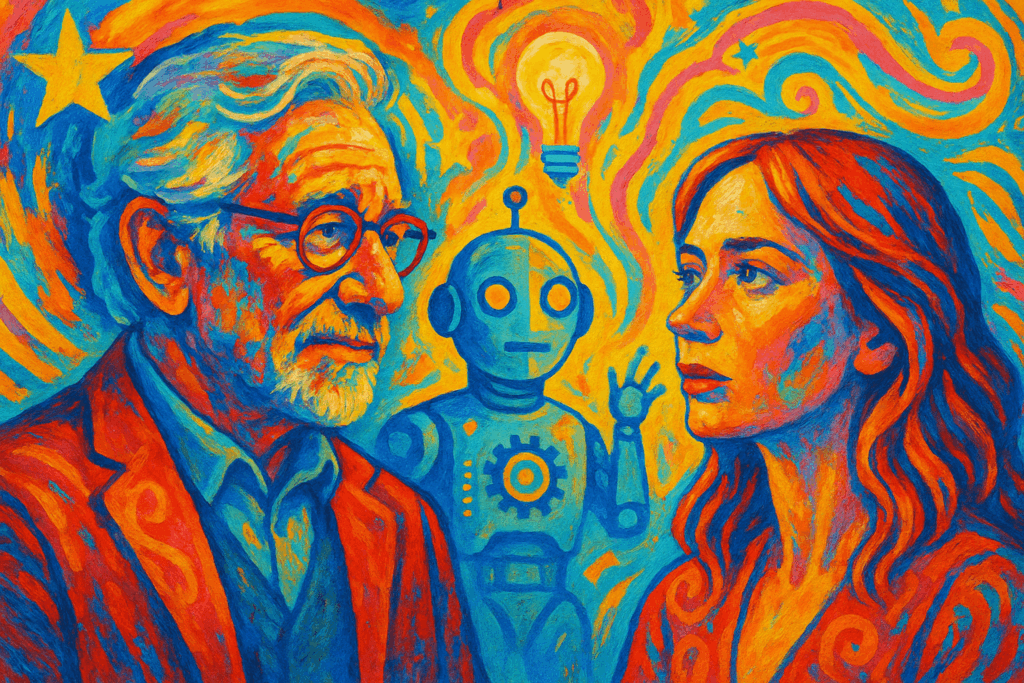
The most recent flashpoint began when Emily Blunt suggested elements of Steven Spielberg’s upcoming film “Disclosure Day” involved AI-assisted sound for the film’s alien language. Spielberg and his team publicly denied that AI replaced human sound design, stressing a preference for practical, human-led techniques. Veteran sound designer Gary Rydstrom has been cited by insiders as emblematic of this camp, arguing for organic approaches that foreground embodied craft and improvisation rather than algorithmic generation.
Hollywood’s Divided Vision on AI
Across the industry opinions vary. Peter Jackson has expressed openness to AI-generated characters and even suggested such work could be eligible for awards recognition. Guillermo del Toro has taken a more resistant stance, warning against ceding artistic decisions to opaque systems. Martin Scorsese occupies a middle ground for some observers: he has reportedly used AI tools for storyboarding and pre-production, while insisting that filmmaking remain fundamentally human. These divergent views show the field is not split along a simple for or against line but across different use cases and values.
The Ethical Undercurrent: Artists’ Backlash
Beyond director debates, many artists voice deeper concerns. Creators such as Karla Ortiz and Samuel Deats have criticised the industry for deploying AI models trained on existing work without clear consent or compensation. Fears include loss of livelihoods for sound designers, illustrators and other craftspeople, and the moral problem of models built on potentially appropriated material. For these artists the worry is not only economic but also cultural: what happens to distinct human styles when models absorb them without attribution?
The Ongoing Dialogue in Creative AI Culture
The Spielberg/Blunt episode is a symptom of a larger negotiation about tools, rights and values. Hollywood is experimenting while artists demand accountability. The outcome will shape not only workflows but what we recognise as authorship and craft. As the debate continues, industry leaders, unions and creators will need clearer standards that protect artistic labour while allowing responsible innovation that respects creators and their contributions.