The Enduring Power of Human Creativity in an AI World
Hunt’s Stance: AI’s Limit in Originality
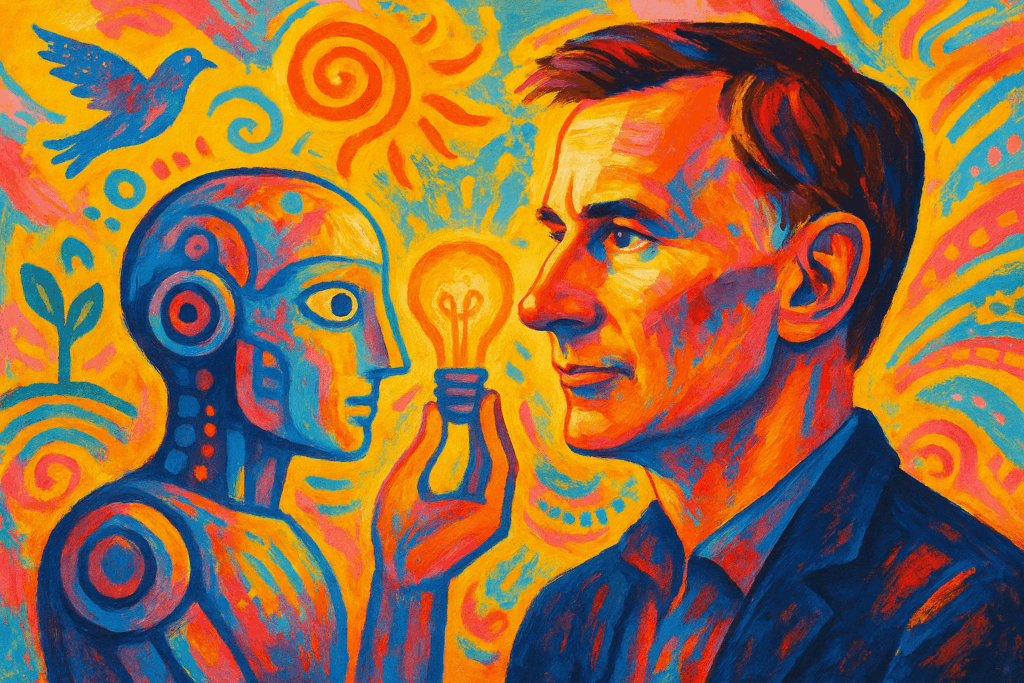
Jeremy Hunt draws a clear line between algorithmic synthesis and human invention. AI can analyse, remix and mimic patterns at scale, but it struggles to produce the kind of raw, unpredictable originality that drives culture. For Hunt, originality is not just novelty; it is context, intention and the capacity to surprise in ways that reflect lived experience.
Culture: An Economic Catalyst for Growth
Hunt positions cultural industries as both economic engines and soft power assets. Music, film, design and publishing generate jobs, exports and wider investment in innovation. He argues that protecting and promoting creative labour is an investment in long-term growth, not a luxury item to be sidelined as technology advances.
The Japanese Philosophy of Innovation: A Human-Centric Model
Drawing on Japan’s approach of copying and improving, Hunt highlights a human pattern of iterative refinement. People absorb existing forms, adapt them with intent and add cultural meaning. That human loop of learning, reworking and improving produces designs and practices that resonate emotionally and commercially in ways current AI cannot replicate.
Why Human Creativity Remains Our Greatest Asset
Human originality combines context, morality, curiosity and serendipity. Creatives bring cultural memory, ethical judgement and audience empathy to their work. AI will be a potent tool for production, but it lacks the self-directed curiosity and value-driven choices that spark cultural breakthroughs. For policymakers and industry leaders, the lesson is to back creative skills, protect creators’ rights and build partnerships where human imagination leads and AI supports.
In short, Hunt’s message is practical: use AI to scale creativity, but invest in the human capacities that make culture meaningful and economically resilient.