Black Style: A Global Statement
Black style extends beyond runways and capitals to become a language of identity, pride, and resistance. Exhibitions such as the Met Museum’s “Superfine: Tailoring Black Style” have framed tailoring and sartorial practice as historical documents. Across continents, carefully chosen garments, textiles, and accessories signal histories, affiliations, and intentions, turning clothes into public statements.
The Art of Dandyism and Identity
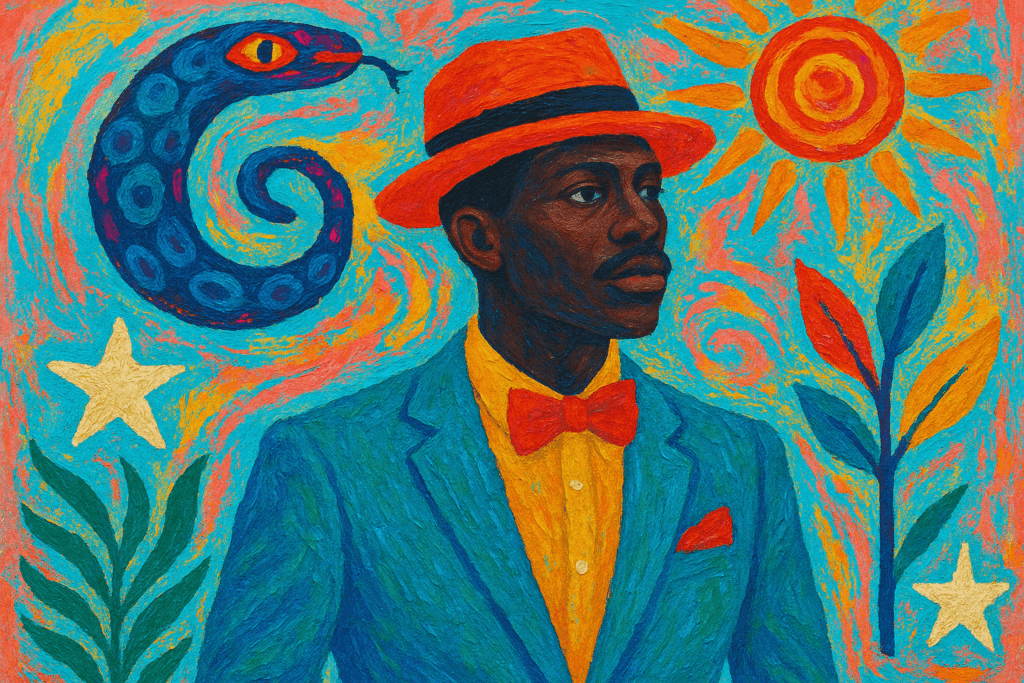
Dandyism in Black communities reimagines elegance as self-definition. From photographic series like “Dandy Lion” to the vibrant Sapeurs of Congo, dressing sharply is political. The Sapeurs translate luxury and color into civic performance, challenging postcolonial narratives by asserting dignity through style. Elsewhere, Black dandies use tailoring, silhouette, and gesture to contest stereotypes and claim visibility, proving that fashion can be both personal and collective speech.
Africa’s Enduring Fashion Influence
Contemporary African designers and exhibitions titled “Africa Fashion” highlight craftsmanship and innovation. Textiles, print traditions, and new tailoring techniques travel from Lagos and Accra to global runways, reshaping mainstream aesthetics. Designers remix heritage with modernity, while independent labels and ateliers foreground local production, creating looks that influence street style, luxury houses, and visual culture worldwide.
Crafting Identity Through Culture and Art
Art and photography bind style to memory and diaspora. Artists such as Tanda Francis stage portraits that fold historical figures into present-day dress, using costume to trace lineage and belonging. Curators and designers collaborate to present ensembles as archival objects and living practice, so exhibitions become spaces where fashion, history, and politics converse.
Recognizing Black dandyism, Sapeur culture, and African design is essential to a full understanding of global style. These movements reframe fashion as more than beauty. They record resilience, celebrate creativity, and insist that what we wear tells the story of who we are.