The Poignant Joy: Marilyn Monroe’s Final Shoot and Her Enduring Vision
In the summer of 1962 George Barris photographed Marilyn Monroe on Santa Monica beach, producing images that feel radiant and joyous. Weeks later she would die, which casts those playful frames in a bittersweet light. Now the National Portrait Gallery in London includes these pictures in “Marilyn Monroe: A Portrait,” timed for her 100th year.
A Glimpse of Unburdened Spirit
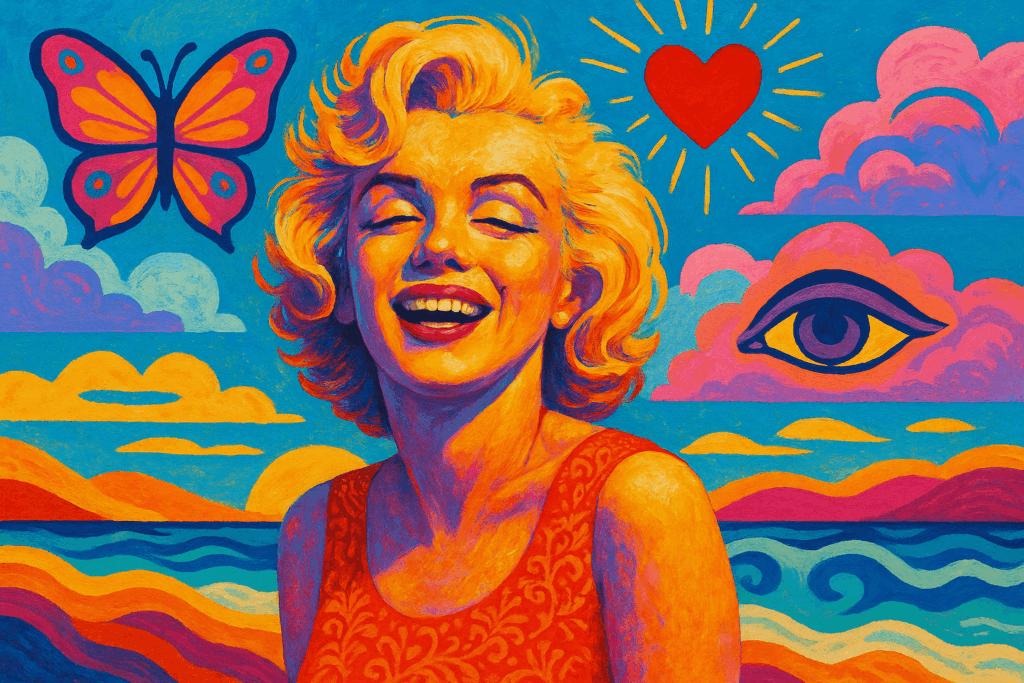
The Santa Monica pictures show Monroe at ease: laughing into sunlight, barefoot on sand, hair tumbled by sea breeze. Barris, invited into a rare informal moment, focused on warmth and levity rather than manufactured glamour. The shots reveal a rapport between subject and photographer that strips away artifice and lets something tender through. They do not erase the pressures she faced, but they offer a visual reprieve, a set of images where she appears to be simply herself, alive to small pleasures. That contrast between public struggle and private brightness is what makes these photographs so affecting.
Monroe’s Artistry: Shaping Her Own Image
Marilyn was not passive in front of the camera. She marked contact sheets, selected prints, and made specific notes about framing and mood. Those edits were a form of authorship, a way to shape how she would be seen. In the Barris session her choices read as deliberate: she curated a softer, more human presence that challenged the sole narrative of the Hollywood sex symbol and asserted a degree of control over her visual legacy.
An Icon’s Timeless Legacy
These final photographs have mellowed with time into images of warmth rather than mere celebrity. They continue to influence fashion, photography and how we imagine vulnerability and strength together. The National Portrait Gallery exhibition in London offers a chance to see these layered portraits in person and to consider Monroe not only as a legend, but as an artist of her own image. The result is a reminder of her enduring cultural power.