The AI Revolution: A Call to Protect Human Creativity
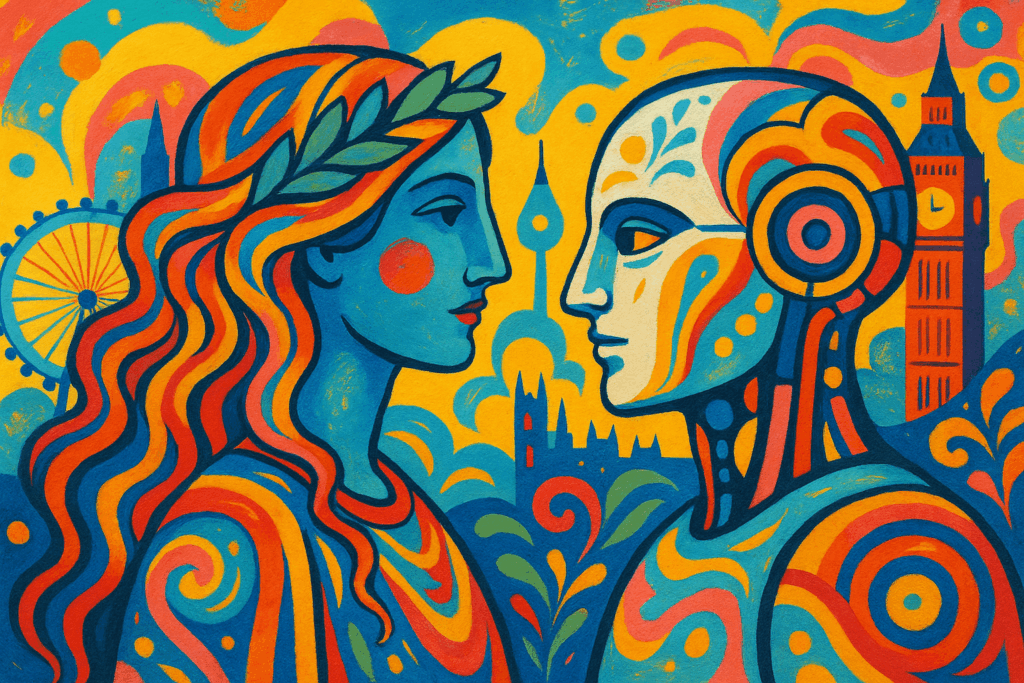
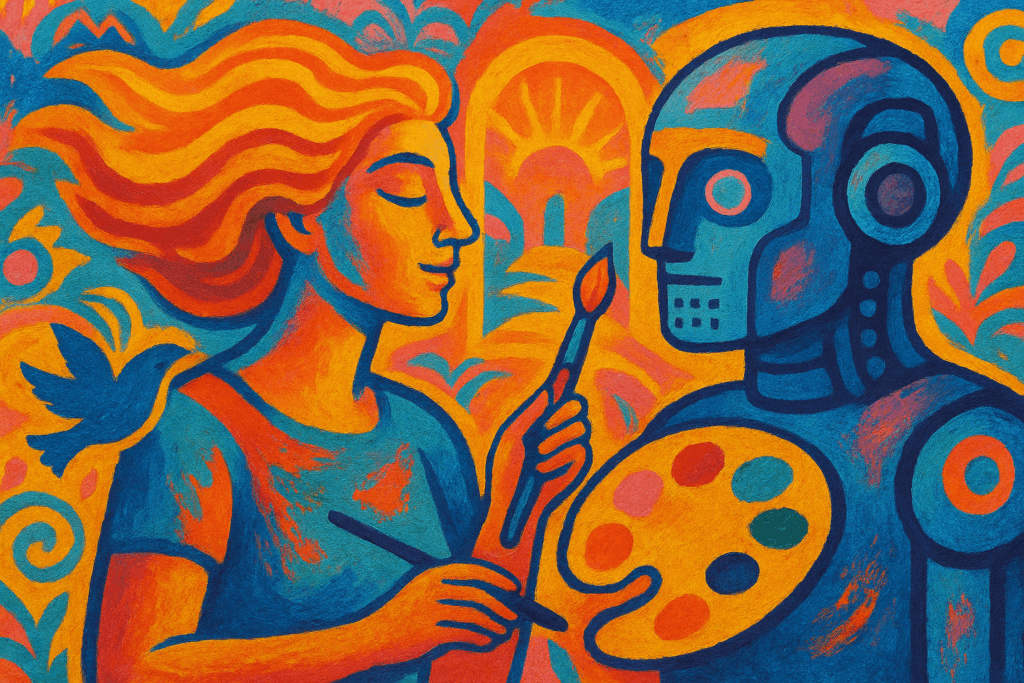
AI is transforming how music, film, visual art and design are produced and distributed. That transformation should expand creative opportunity, not strip value from the people who make culture. Protecting human artistry is the legal and ethical foundation we must build while adopting new tools.
Defining Responsible AI: Trust, IP, and Fair Compensation
Responsible AI is not technical only, it is social and economic. Core principles include informed consent for use of creative work and likeness, full transparency about training data and model outputs, respect for intellectual property, and fair compensation when AI leverages human effort. “Responsible AI must be built on trust. It should respect intellectual property. It should recognize that human artistry is not an obstacle to innovation, but the foundation from which innovation draws inspiration.”
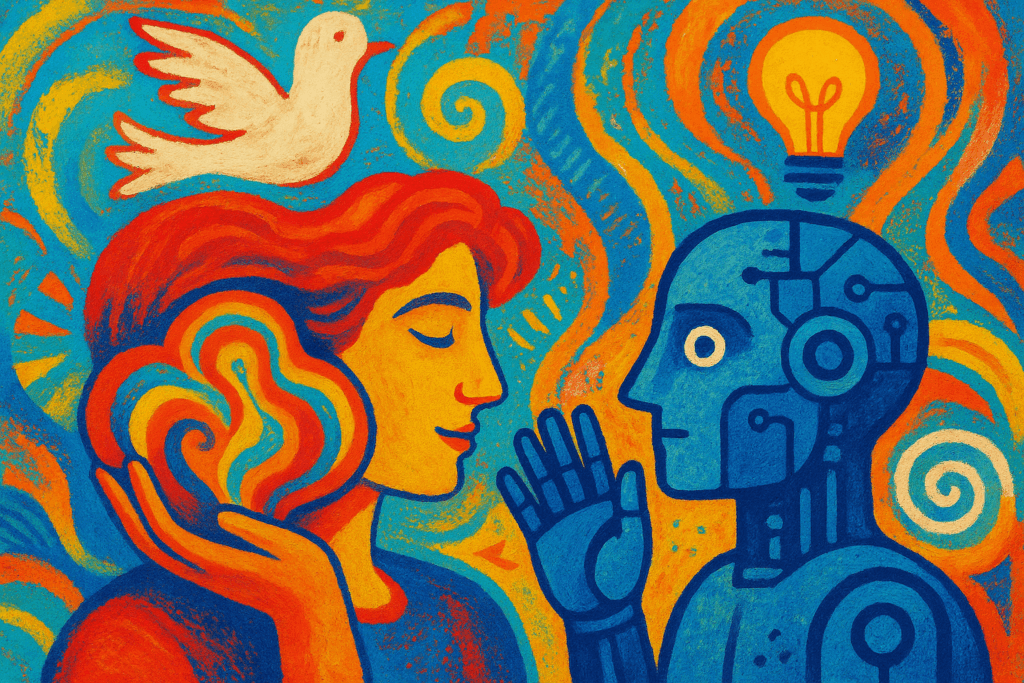
When these principles guide design, AI becomes a tool that helps creators ideate, reach audiences and unlock new revenue streams. To avoid exploitation, agreements must cover licensing, provenance tracking and clear opt-in or opt-out mechanisms for creators whose work could be used to train models.
Global Action: The Human Artistry Campaign and Beyond
The Human Artistry Campaign brings together creators, tech companies, rights organisations and policymakers to set standards for how creative work is treated by AI. Industry-led efforts, like MusicNation, show how stakeholders can design platforms that register works, manage rights, and distribute revenue fairly. These models pair technical solutions, such as metadata-rich registries and transparent royalty flows, with legal frameworks.
The UAE has signalled a proactive approach by building systems to protect and monetise creative output, illustrating how national policy and infrastructure can support a globally connected, transparent ecosystem. Together, these initiatives form a practical playbook for countries and industries to follow.
Shaping a Human-Centric Creative Future
The path forward is collaboration. Technology firms must work with creators on licensing models, creators must participate in governance of the tools they influence, and regulators should mandate transparency and rights clearing. With clear rules, auditable systems and fair pay, AI can amplify human creativity rather than replace it. The future of culture should be one where innovation thrives, while the people behind the art are recognised and rewarded.