AI Reshaping Cultural Engagement
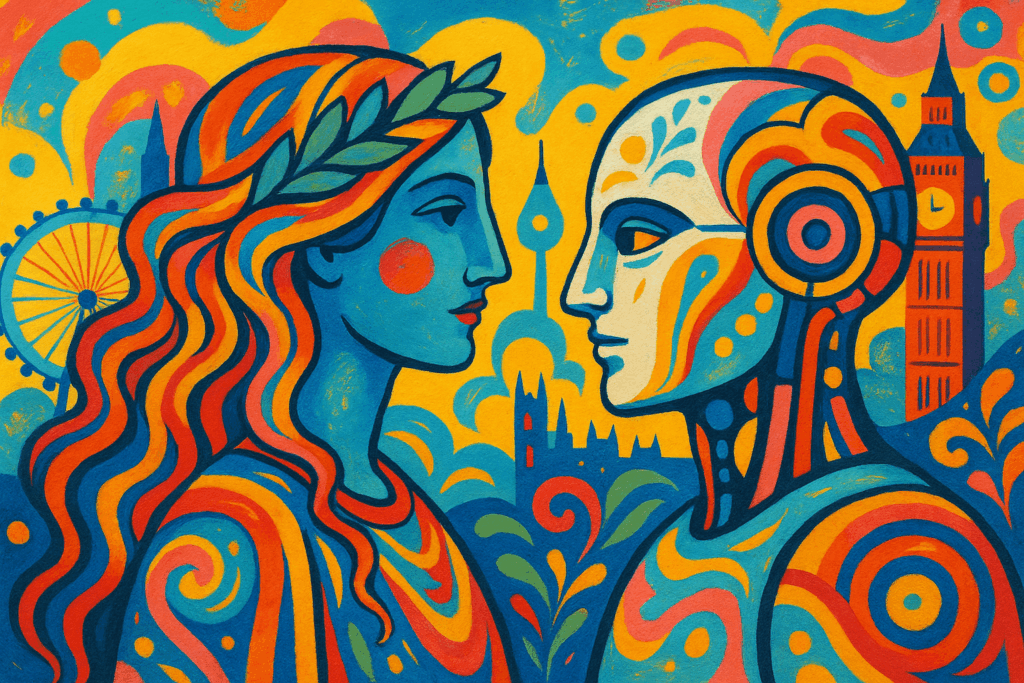
Creative AI is changing how people meet history and imagination. London-based experiential studio Dpt. applies conversational AI, computer vision and AR to make stories feel present and participatory. Instead of passive displays, cultural sites can offer living encounters with characters, photo moments that respond to mood and bespoke guides that learn visitor interests. These shifts move technology from backstage infrastructure to a creative collaborator in storytelling.
Immersive Connections with History and Imagination
Dpt.’s Echo suite shows practical ways AI can deepen connection. Echo Persona brings historical or fictional characters to life as conversational avatars that answer questions, offer context and react emotionally. Echo Snap is an AI photobooth that composes AR-driven images and short narratives, turning a visit into a shareable story. Echo Guide provides adaptive routes and interpretive content, tailoring commentary and pacing to each visitor.
Together these tools do more than add novelty. They increase dwell time, support learning through dialogue, make content accessible across languages and abilities, and extend engagement beyond the site through social shares and follow-up content. For curators, AI delivers analytics about visitor interests and pinch points, helping teams design programs that resonate more deeply.
The Future of Creative AI in Culture
Viewed broadly, AI becomes a new medium for cultural expression. It enables co-created narratives where audiences help shape outcomes, and it creates living archives that respond to questions rather than sit behind glass. Augmented reality and conversational agents open routes for remote audiences to participate in heritage experiences, while on-site systems scale storytelling without sacrificing intimacy.
Adoption calls for careful curation, ethical use of data and respect for intellectual property, but the payoff is a richer cultural ecology: more personal encounters, renewed relevance for heritage, and fresh revenue and outreach models for institutions. Dpt.’s expansion reflects a wider interest across museums and attractions in tools that treat technology as creative partner rather than mere utility. The result is a creative AI culture where technology and human imagination shape memorable, meaningful visits.