Culture’s Unseen Power: Russian Art Against Control
Zvyagintsev’s ‘Minotaur’ and the Cannes Statement
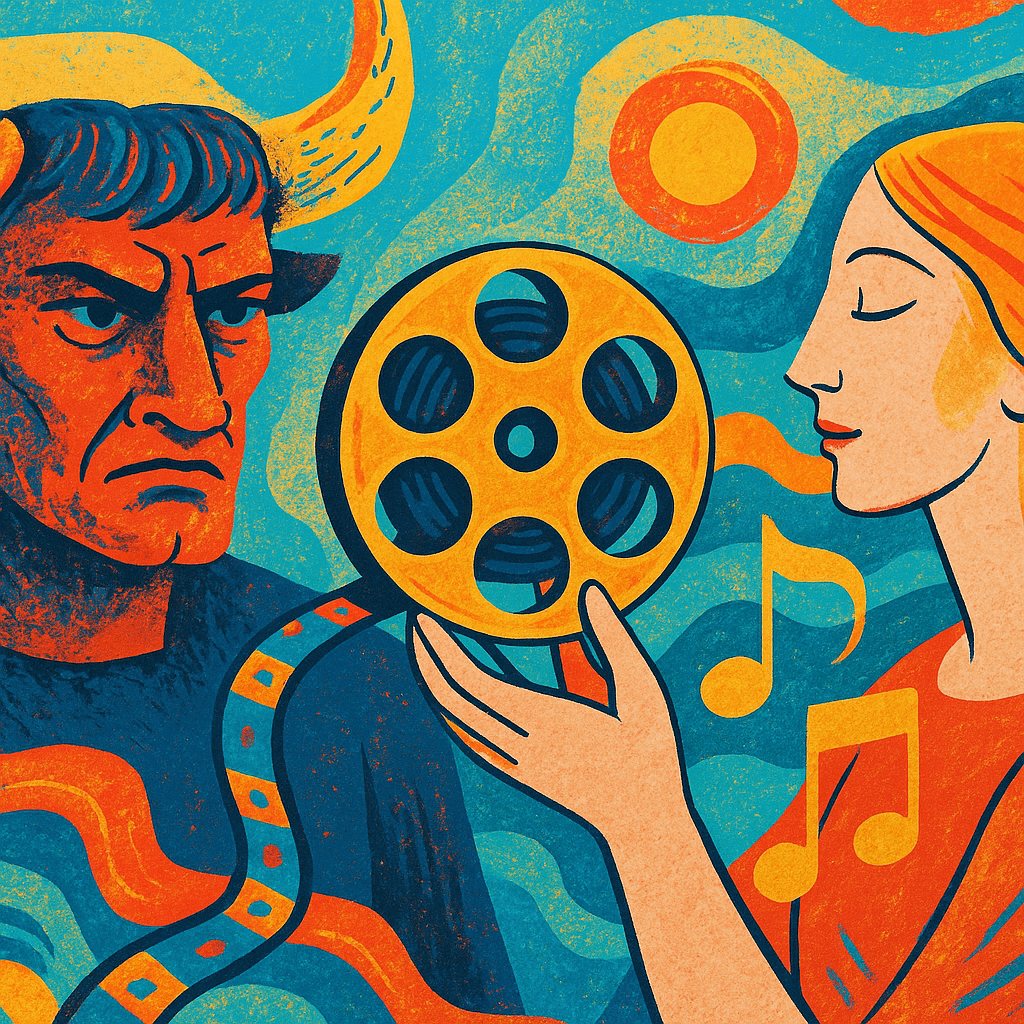
When Andrei Zvyagintsev brought his film Minotaur to Cannes, the moment was more than a festival appearance. His words on the red carpet and the film itself acted like a public mirror, reframing private doubts into a visible critique. That kind of direct cultural statement cuts through official narratives in ways that formal journalism often cannot. Films create scenes people carry into conversation and memory, making dissent legible even under pressure.
Beyond the News: Why Art Resonates
State-controlled media narrows debate, while repeated briefings and propaganda produce fatigue. Art bypasses that bottleneck by narrating experience, not just facts. Documentaries such as the Mr Nobody Against Putin example spark conversations by naming what feels unsayable. Visual stories and character-driven drama invite empathy and linger longer than headlines. In a society where access to independent outlets is limited, culture becomes a shared language for questions that cannot be asked openly.
The Sound of Defiance: Music and Viral Voices
Music is immediate and portable. Buskers like Naoko and collaborations with exiled musicians turn streets and social feeds into stages for dissent. A single viral performance can translate personal grief into collective refusal. Songs travel across borders and platforms in ways traditional reporting struggles to match; they create rhythms of solidarity that are hard for authorities to fully erase.
Art as a National Conversation
Art preserves a space for collective reflection and identity when institutions tighten. Films, songs and viral moments do more than protest. They sustain memory, connect dispersed communities and force audiences to reckon with lived realities. In that persistence lies the power of culture: not just to oppose, but to keep the conversation alive long after the news cycle moves on.